Innovative Medium Chain Triglyceride Market Poised for Remarkable Growth, Reaching $1,034 Million by 2026

The Medium Chain Triglycerides (MCT) market is set to experience robust growth, with a projected CAGR of 6.3% between 2021 and 2026, culminating in a market value of $1,034 million by 2026 from an estimated $763 million in 2021. The increasing preference for organic food products has prompted MCT manufacturers to focus on innovative, cost-effective solutions, while the surge in global Internet penetration is expected to drive sales.

Download PDF brochure: https://www.marketsandmarkets.com/pdfdownloadNew.asp?id=248063458

Caprylic Acid Segment Takes Center Stage

The caprylic acid segment has emerged as a dominant force in the market, claiming an impressive 50.4% share in terms of value. Recognized for its neutral taste and odor, caprylic acid is a key component in MCT oil. Beyond culinary applications, caprylic acid boasts antiviral, antibacterial, and antifungal properties, addressing skin disorders, acne, urinary tract infections, and more. Its rapid oxidation in the liver contributes to increased energy expenditure, making it a versatile compound.

Nutritional Supplements Lead Application Segment

The nutritional supplements segment commands a substantial share of 25.9%, totaling USD 186.5 million. Medium chain triglycerides play a pivotal role in weight management by curbing calorie intake, reducing fat storage, and enhancing fullness, calorie burning, and ketone levels, particularly in low-carb diets.

Health Benefits Drive Market Momentum

Medium chain triglycerides offer a range of health benefits, from improved weight management to enhanced cognitive functioning. Their rapid digestion, minimal storage as body fat, and contribution to heightened metabolism position them as a triple approach to weight loss. Additionally, MCTs support gut health and are linked to reduced risks associated with hormone imbalances, weight gain, gut problems, and cognitive disorders.

China Leads Asia Pacific Market

China dominates the Asia Pacific market, boasting a 31.1% share in 2020, establishing itself as a rapidly growing market within the region. Evolving consumer lifestyles, increased purchasing power, and a growing demand for high-quality processed foods, nutritional diets, personal care, and cosmetics products contribute to the surge in MCT demand. The rise in chronic diseases, as reported by the WHO, further propels the market for functional food ingredients.

Speak to Analyst: https://www.marketsandmarkets.com/speaktoanalystNew.asp?id=248063458

Key Players Shaping the Industry

Key players in the Medium Chain Triglycerides market include BASF SE (Germany), Koninklijke DSM N.V. (the Netherlands), Dupont (US), Lonza Group Ltd (Switzerland), Musim Mas Holdings (Singapore), Croda International Plc (UK), P&G Chemicals (US), Acme-Hardesty Company (Bluebell, PA), Wilmar International Limited (Singapore), Stepan Company (US), Sternchemie GmbH & Co. KG (Germany), Emery Oleochemicals Group (US), KLK Oleo (Malaysia), Nutricia (New Zealand), Connoils (US), Now foods (US), Barleans (Washington), Jarrow formula’s (US), Nutiva (US), Henry Lamotte Oils GmbH (Germany).

Fueling Wellness: The Dynamic Growth of Functional Food Ingredients Market

In the ever-evolving landscape of the food industry, the global functional food ingredients market is making remarkable strides. Estimated at USD 98.9 billion in 2021, the market is poised for significant expansion, projected to reach USD 137.1 billion by 2026, showcasing a robust CAGR of 6.8% during the forecast period.

Cultivating Health through Functional Food

Functional food ingredients are taking center stage in the realm of nutrition, offering a pathway to nutritive health benefits, prevention of chronic diseases, and a boost in energy levels. Beyond basic nutritional capacities, these ingredients are elevating traditional food products by providing additional health advantages. The surge in global health awareness is a driving force behind the escalating demand for functional food ingredients, fostering a wide range of applications, from fortifying food and beverages to catering to evolving consumer preferences.

Download PDF brochure: https://www.marketsandmarkets.com/pdfdownloadNew.asp?id=9242020

Probiotics Paving the Way

The probiotics segment takes a significant share in the functional food ingredients market. Renowned for providing health benefits beyond basic nutrition, probiotics have witnessed increased interest in food applications. Offering assistance to the body’s natural gut microbiota, probiotics play a crucial role in preventing ailments and contributing to overall well-being. Recent studies highlight their potential in inhibiting carcinogens and procarcinogens, showcasing the multifaceted benefits of incorporating probiotics into functional foods.

Natural Sourcing Takes the Lead

Natural sourcing of functional food ingredients is experiencing rapid growth, driven by consumer awareness of the health benefits associated with natural ingredients. Despite the lower production cost of synthetic ingredients, the increasing demand for natural alternatives is propelling the natural segment forward. With a focus on high nutritional profiles, a lower carbon footprint, and cost-effectiveness, plant-sourced natural functional food ingredients are emerging as the fastest-growing segment in the market.

Balancing Nutrition and Affordability

Cost-effective food products with high nutritional benefits are steering the market’s momentum. Consumers’ increasing awareness and preference for balanced diets that enhance immunological tolerance are creating opportunities for growth. Innovations in flavors and product variants, along with a surge in health-consciousness, are driving the demand for functional food ingredients, particularly in the snacks subsegment.

North America: A Beacon of Health-Consciousness

North America is witnessing a surge in health-conscious consumers, driving the market for functional food ingredients. With a keen focus on food labels and an increased awareness of health benefits, the region plays a pivotal role in the global market. Aiming to address diverse demands, key players like Cargill, Archer Daniels Midland Company, and DuPont are investing in research programs to introduce new ingredients that align with evolving consumer preferences.

In conclusion, the dynamic growth of the functional food ingredients market underscores a paradigm shift toward holistic well-being. As consumers seek nutrition that goes beyond mere sustenance, the market continues to innovate, providing a plethora of options that balance health, taste, and affordability.

Inquiry before buying: https://www.marketsandmarkets.com/Enquiry_Before_BuyingNew.asp?id=9242020

Global Food Anti-Caking Agents Market Surges to USD 1.07 Billion by 2025

In a significant industry development, the global food anti-caking agents market is making remarkable strides, with an estimated value of USD 822 million in 2020 and a projected surge to USD 1.07 billion by 2025. This upward trajectory is underscored by a compelling Compound Annual Growth Rate (CAGR) of 5.5% during the forecast period, fueled by a confluence of factors.

Driving Forces

One of the pivotal factors steering the growth of the food anti-caking agents industry is the widening gap between the demand and supply of cocoa butter. As consumer preferences evolve, there has been a noticeable uptick in the consumption of confectionery and processed foods. Simultaneously, there is a discernible surge in demand for clean label food products, further propelling the market forward.

Download PDF brochure: https://www.marketsandmarkets.com/pdfdownloadNew.asp?id=3259107

Navigating Challenges Amidst Global Crisis

The COVID-19 pandemic has catalyzed shifts in the supply and demand dynamics of food anti-caking agents globally. The resultant uncertainty in prices has affected key players, particularly in the production of palm oil, the largest globally produced oil. Disruptions in trade and production in key regions such as Indonesia and Malaysia were observed. Notwithstanding these challenges, concerted efforts were made globally to stabilize the market. Governments in countries like India, China, and the US granted exemptions for the sector, allowing operations to continue at minimal capacity during lockdowns, thereby mitigating substantial impacts.

Type Dynamics: Calcium Compounds Take the Lead

Breaking down the market by type, the calcium compounds segment emerges as the frontrunner, expected to dominate with the highest market share throughout the forecast period. Versatile in application, calcium compounds find their way into an array of products such as salt, garlic salt, baking powder, and various cheese preparations. With a robust market for these products, particularly in developed countries, the food anti-caking agents market is poised for significant expansion.

Application Spotlight: Seasoning and Condiments on the Rise

Among applications, the seasoning and condiments segment takes center stage, projected to witness the highest growth in the food anti-caking agents market. These agents play a multifaceted role in the food and beverage industry, contributing to a wide range of applications, including seasoning, condiments, bakery, dairy products, soups, and sauces. The market for seasonings and condiments is anticipated to experience the fastest growth.

Geographical Frontiers: North America Leads the Pack

Geographically, North America emerges as the powerhouse, estimated to hold the largest market share globally. The region’s dominance is attributed to high consumption patterns and a consistent uptrend in demand for a diverse range of food ingredients and premixes across various food applications.

Speak to Analyst: https://www.marketsandmarkets.com/speaktoanalystNew.asp?id=3259107

Industry Titans

Key players steering the trajectory of the global food anti-caking agents market include Evonik Industries AG (US), PPG Industries, Inc. (US), Brenntag AG (Germany), Univar Solutions Inc. (US), and Solvay SA (Belgium). These industry giants stand at the forefront of innovation, meeting the escalating demands of a dynamic market.

In conclusion, the global food anti-caking agents market is poised for substantial growth, underpinned by evolving consumer preferences, global challenges, and the resilience of industry players. As the market navigates these dynamics, the demand for innovative solutions in the food industry continues to drive this upward trajectory.

Unveiling the Flourishing Wet Pet Food Market’s Growth Trajectory

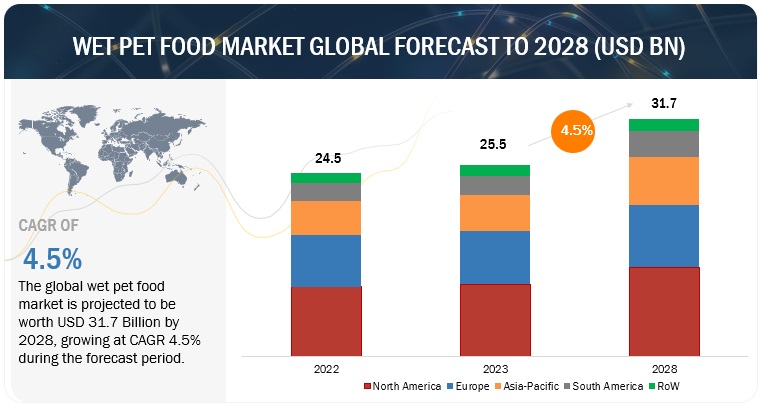
The wet pet food market is on a remarkable growth trajectory, projected to reach USD 31.7 billion by 2028, with an estimated value of USD 25.5 billion in 2023. This surge is propelled by a confluence of factors, including the transformative impact of pet-centric social media platforms and evolving pet adoption trends.

Download PDF brochure: https://www.marketsandmarkets.com/pdfdownloadNew.asp?id=84650226

The Social Media Shift: Elevating Wet Pet Food to Premium Status

The influence of pet-centric social media platforms has fundamentally altered the dynamics of pet ownership. As individuals increasingly perceive their pets as integral family members, the demand for premium dietary options has surged. The visually captivating content and peer-driven recommendations on social media have elevated the visibility of wet pet food, aligning it with prevailing trends of wellness and indulgence. Pet owners, mirroring their own preferences for natural, nutritious, and appetizing meals, now seek wet pet food for its nutritional benefits and alignment with their pets’ overall well-being.

Unique Qualities Propel Wet Pet Food Popularity

The distinctive qualities of wet pet foods, including high moisture content, soft texture, and savory aromas, have played a pivotal role in propelling their popularity. Catering to pets’ natural hydration needs and enhancing palatability, wet pet foods have become a preferred choice for discerning pet owners. The focus on palatability and digestibility, achieved through meticulous ingredient selection and specialized processing techniques, resonates strongly with pet owners prioritizing comprehensive pet nutrition and satisfaction.

Cats Take Center Stage in the Wet Pet Food Boom

Within the by-pet segment, cats are expected to experience significant growth during the forecasted period. The rise in cat adoption rates, attributed to their low-maintenance appeal in urban lifestyles, has shifted the pet adoption landscape. As feline ownership becomes more widespread, cat owners are displaying heightened awareness of their nutritional requirements. The attributes of wet pet food, such as higher protein intake and hydration levels, align seamlessly with the distinct dietary needs of cats, making it a preferred and convenient option for this pet segment.

Online Channels: The Future of Wet Pet Food Purchases

The online distribution channel is poised for rapid growth within the wet pet food market. The exponential expansion of online sales, driven by increased internet penetration, convenience, and a wide product range, benefits wet pet food products. Online platforms offer the convenience of ordering from home, price comparisons, reviews, and access to various brands, flavors, and formulations. Targeted marketing, personalized recommendations, and subscription models foster customer loyalty, driving overall demand for wet pet food.

Make an Inquiry: https://www.marketsandmarkets.com/Enquiry_Before_BuyingNew.asp?id=84650226

Asia Pacific Leads the Growth Charge

Asia Pacific is positioned as a key player in the wet pet food market, experiencing the highest CAGR. Rising disposable incomes, growing urbanization, and changing lifestyles contribute to the region’s flourishing pet food industry. Increased pet ownership, coupled with the popularity of online platforms, especially social media and e-commerce, further drives the growth of the wet pet food market in Asia Pacific.

Conclusion: A Taste of Success in the Wet Pet Food Market

As the wet pet food market continues to expand, driven by social media influence, evolving pet ownership trends, and the convenience of online channels, it reflects a broader cultural shift towards prioritizing the well-being and satisfaction of our animal companions. With key players like Nestlé, Mars, Incorporated, and Colgate-Palmolive at the forefront, the market’s trajectory is indicative of a future where wet pet food takes center stage in meeting the evolving dietary needs and preferences of pets around the globe.

Unveiling Growth: A Deep Dive into the Global Plant Phenotyping Market

Introduction:

The global plant phenotyping market is on a trajectory to reach a staggering USD 437 million by 2027, showcasing a robust Compound Annual Growth Rate (CAGR) of 12.9% during the forecast period. This meteoric rise is propelled by a confluence of factors, including burgeoning expansions and investments in plant phenotyping within developed regions. Notably, the market is experiencing a surge due to the escalating importance of sustainable crop production through the cultivation of improved crop varieties.

Download PDF brochure: https://www.marketsandmarkets.com/pdfdownloadNew.asp?id=236591018

Factors Driving Growth:

Expansions and Investments:

Increasing expansions and investments in plant phenotyping, particularly in developed regions, stand as a pivotal driver for the market’s growth. This trend underscores the industry’s commitment to advancing agricultural practices through cutting-edge technology.

Emphasis on Sustainable Crop Production:

The growing emphasis on sustainable crop production, achieved through the cultivation of enhanced crop varieties, serves as another significant factor fueling the expansion of the plant phenotyping market. This shift reflects a broader commitment to environmentally conscious agricultural practices.

Government Funding and Support:

Europe and North America have witnessed a surge in government and organizational funding for plant phenotyping experiments. This financial backing has played a pivotal role in propelling the market’s growth, fostering innovation and research in these regions.

Regional Dynamics:

Europe and North America:

High levels of government funding for plant phenotyping experiments in Europe and North America have been instrumental in driving market growth. These regions serve as hubs for innovation, with a focus on advancing agricultural practices through technology and research.

Asia Pacific:

Developing countries in the Asia Pacific region are emerging as significant players in the plant phenotyping market. The demand for plant phenotyping products and services in these countries is driven by the need to address challenges related to food, fuel, and feed demand for their growing populations. Additionally, the development of plants capable of withstanding changing climatic conditions is a key driver in the region.

Key Players:

Leading the charge in the plant phenotyping market are key companies involved in both product manufacturing and service provision. Notable names include LemnaTec GmbH, Delta-T Devices Ltd., CropDesign – BASF SE, Heinz Walz GmbH, Phenospex B.V., WPS, Phenomix, Photon Systems Instruments, Qubit Systems, KeyGene N.V., Rothamsted Research Limited, The Vienna Biocenter Core Facilities GmbH (VBCF), and Equinom.

Request for Sample Pages: https://www.marketsandmarkets.com/requestsampleNew.asp?id=236591018

Technological Advancements:

In response to the growing demand for sophisticated applications, companies in the plant phenotyping market are continuously advancing their products and services. A significant development lies in the image analysis segment, projected to account for the largest share in 2022. These standalone or additional accessories, integrated into plant phenotyping equipment systems, demonstrate the industry’s commitment to cutting-edge spectrometry and imagery techniques.

Conclusion:

The global plant phenotyping market is not just witnessing growth; it’s undergoing a transformative journey fueled by innovation, sustainability, and a global commitment to revolutionize agricultural practices. As expansions, technological advancements, and regional dynamics shape the landscape, the market is poised to play a pivotal role in addressing the evolving challenges of our agricultural future.

Medium Chain Triglycerides (MCT) Market Size In 2023: Forecasting Share and Scope for 2021-2026

Medium Chain Triglycerides (MCT) Market” is expected to witness significant growth in the coming years, primarily driven by the growing demand for (Food and Beverage, Medical, Personal Care and Cosmetic, Others), Based on the type, the market can be segmented into (Oil Medium-chain Triglycerides (MCT), Powder Medium-chain Triglycerides (MCT)). The report presents the research and analysis provided within the Medium Chain Triglycerides (MCT) Market Research is meant to benefit stakeholders, vendors, and other participants in the industry. The Medium Chain Triglycerides (MCT) Market is expected to grow annually by magnificent (CAGR 2021 – 2026).

Browse Detailed TOC of Medium Chain Triglycerides (MCT) Market report which is spread across 223 Pages, Tables and Figures with Charts that provides exclusive data, information, vital statistics, trends, and competitive landscape details in this niche sector.

Who are the largest manufacturers of Medium Chain Triglycerides (MCT) Market worldwide?

  • BASF SE (Germany)
  • Koninklijke DSM N.V. (the Netherlands)
  • Dupont(US)
  • Lonza Group Ltd(Switzerland)
  • Musim Mas Holdings(Singapore)
  • Croda International Plc(UK)
  • P&G Chemicals (US)
  • Acme-Hardesty Company(Bluebell, PA)
  • Wilmar International Limited( Singapore)
  • Stepan Company (US)

Download PDF brochure: https://www.marketsandmarkets.com/pdfdownloadNew.asp?id=248063458

Market Analysis and Insights: Global Medium Chain Triglycerides (MCT) Market

The global Medium Chain Triglycerides (MCT) Market size is estimated to be worth USD 763 million in 2021 and is forecast to a readjusted size of USD $1,034 million by 2026 with a CAGR of 6.3% during the review period. This growth is driven by several key factors:

  • Fatty Acid Types: The MCT market encompasses various fatty acid types, including Caproic, Caprylic, Capric, and Lauric. These different types find applications in a wide range of products.
  • Diverse Applications: Medium-chain triglycerides are utilized in a variety of applications, such as nutritional supplements, infant formula, sports drinks, and pharmaceutical products. This diversity in applications contributes to the market’s growth.
  • Form and Source Variability: The market offers MCT products in different forms and sources, allowing for customization to meet the specific needs of various industries and consumers.
  • Global Reach: The market’s reach is not confined to a single region, as it is projected to have a global presence, with companies operating and competing worldwide.
  • Organic and Innovative Products: As consumer demand for organic food products rises, MCT manufacturers are focusing on developing innovative products while maintaining competitive pricing.
  • Internet Marketing: The surge in global Internet penetration is influencing the market by providing an effective platform for manufacturers and distributors to promote their MCT products, raise awareness among target consumers, and drive sales.

What are the factors driving the growth of the Medium Chain Triglycerides (MCT) Market?

  • Increasing use of medium chain triglycerides in diets as alternative energy source
  • Growing focus of global population on adding healthy food to their diet
  • Rising incidences of chronic diseases

Request Sample Pages: https://www.marketsandmarkets.com/requestsampleNew.asp?id=248063458

What are the applications of Medium Chain Triglycerides (MCT) Market?

  • Nutritional Supplements
  • Personal Care Products
  • Pharmaceutical Products
  • Sports Drinks
  • Infant Formula
  • Other Applications (flavorings, fragrances, and industrial)

Which regions are leading the Medium Chain Triglycerides (MCT) Market?

  • North America
  • Europe
  • Asia Pacific (APAC)
  • Rest of the World (RoW)(South America, Middle East & Africa)

Conclusion

Medium Chain Triglycerides (MCT) Market is set for robust growth, with caprylic acid leading the way and nutritional supplements being a significant application. MCTs’ numerous health benefits, coupled with the surge in demand for organic food products and the power of online marketing, are propelling this market to new heights. China’s dynamic presence in the Asia Pacific region further augments the market’s potential. As consumers become more health-conscious and seek effective ways to manage their weight and well-being, MCTs offer a promising solution, and the market is responding to these demands with innovation and expansion.

Collagen Market Size, Share, Trends & Growth Report, 2030

Report Overview

Collagen market size is estimated to be valued at USD 4.7 billion in 2022 and is projected to reach USD 7.2 billion by 2030, recording a CAGR of 5.3% during the forecast period in terms of value. The main reasons propelling the growth of the worldwide collagen market are the rising use of collagen in the food sectors, rising interest in protein consumption & nutricosmetics, rising applications in healthcare, and rising use of collagen-based biomaterials. 

To Know More Get PDF Copy @ https://www.marketsandmarkets.com/pdfdownloadNew.asp?id=220005202

Source Insights

Based on source type, marine segment is forecasted to grow at the highest CAGR from 2022 to 2030. The demand for marine collagen has witnessed an uptick, especially in the cosmetics sector. There is immense scope for the usage of marine collagen in cosmetic products, as it offers a host of cosmetic and beauty benefits for the consumer. Marine collagen is used as an anti-aging formula to reduce wrinkles and uplift skin cells, as it can improve skin elasticity. Moreover, marine collagen, especially type I, has proven to be effective in the growth and maintenance of hair, nails, and teeth.

Form Insights

The dry form of collagen is available as agglomerated or fine powder. Due to its quick solubility behavior, the powder form is majorly used in various industries. Powdered collagens showcase excellent blending properties, which is why it is increasingly being used in various food applications. These can be added to most food applications, including coffee, smoothies, dairy products, snacks, soups, sauces, and confectionery products. The agglomerated powder possesses several other advantages: no lump formation, dust-free handling, smooth flowability, consistency, no clogging, and excellent storage ability. All these properties drive collagen’s powder form in food processing.

Product Type Insights 

By product type, gelatin is the largest market in the global market. Gelatin is a colorless, flavorless, and translucent, brittle food ingredient, which is derived from collagen obtained from various animal body parts. It is obtained not only from animal skin but also from fish and insects. Manufacturing of gelatin includes two methods, which are the alkaline and acid processes, to manufacture type A and type B gelatin, respectively. Gelatin is widely used in foods to improve elasticity, consistency, and stability. Gelatin is used to make gelatinous desserts, gummy candies, many yogurts, and marshmallows. Gelatin is also found as a common ingredient in soups, broths, sauces, marshmallows, cosmetics, and medications. This common thickening and gelling agent are an animal-based product that contains high levels of protein.

Book a meeting with our experts to discuss your business needs @ https://www.marketsandmarkets.com/speaktoanalystNew.asp?id=220005202

Regional Insights

Europe is the largest region in the global collagen market in the forecast period. The presence of major collagen manufacturers such as Tessenderlo Group (Belgium), GELITA AG (Germany), Lapi Gelatine S.p.a. (Italy), Weishardt Holding SA (France), among others, further drives the market in the region.

This report includes a study on the marketing and development strategies, along with the product portfolios of leading companies. It consists of profiles of leading companies, such as Tessenderlo Group (Belgium), GELITA AG (Germany), Holista Colltech (Australia), Darling Ingredients (US), Nitta Gelatin NA Inc. (Japan), Gelnex (Brazil), Lapi Gelatine S.p.a. (Italy), Weishardt Holding SA (France), Royal DSM N.V (The Netherlands), and Collagen Solutions LLC (UK).

Enzymes Market Statistics, Growth Drivers | Forecast – 2027

Enzymes Market Research, 2027

The global enzymes market was valued at $12.1 billion in 2022, and is projected to reach $16.9 billion by 2027, growing at a CAGR of 6.8% from 2022 to 2027. Enzymes are used in various industrial applications such as food & beverages, bioethanol, detergents, textiles & leather, paper & pulp, wastewater treatment, feed, others (which include starch processing, cosmetics & personal care products, and oilfield & fine chemicals). Enzymes are also used in various specialty applications such as pharmaceuticals, research & biotechnology, diagnostics, and biocatalysts.

Click Here to Download PDF

Who are the Biggest Enzymes Manufacturers Worldwide?

  • Novozymes (Denmark)
  • BASF (Germany)
  • DuPont (US)
  • DSM (Netherlands)
  • Associated British Foods (UK)
  • Merck (Germany)
  • Chr. Hansen (Denmark)
  • Kerry Group (Ireland)

What are the Segments of Enzymes Market?

By Product Type

  • Industrial Enzyme
  • Specialty Enzymes

By Source

  • Microorganisms
  • Plant
  • Animal

By Type

  • Carbohydrases
  • Proteases
  • Lipases
  • Polymerases & Nucleases
  • Other enzymes

By Reaction Type

  • Hydrolases
  • Oxidoreductases
  • Transferases
  • Lyase
  • Others

By Application

  • Food & Beverage
  • Bioethanol
  • Textiles & Leather
  • Detergents
  • Paper & Pulp
  • Wastewater Treatment
  • Feed
  • Other Applications

Click Here to Request Sample Pages of Report

What are the Factors Driving the Growth of the Enzymes Market?

  • Increasing Demand in Food and Beverage Industry: Enzymes play a crucial role in food processing, aiding in tasks such as fermentation, baking, and dairy production. As consumer preferences for natural and healthier food options rise, the demand for enzymes in this sector has grown.
  • Growing Application in Biofuel Production: Enzymes are used in the production of biofuels like ethanol and biodiesel, as they can help break down biomass into fermentable sugars. With a growing emphasis on renewable energy sources, the biofuel industry has expanded, boosting the enzymes market.
  • Advancements in Biotechnology: Advances in biotechnology have led to the development of new and improved enzymes for various applications. This has expanded the enzyme market’s offerings and capabilities.
  • Increased Use in Healthcare: Enzymes are used in diagnostic and therapeutic applications in the healthcare sector. Enzyme-based diagnostic tests, for example, are widely used for detecting various medical conditions.
  • Environmental Concerns: Enzymes are considered environmentally friendly, as they reduce the need for harsh chemicals in industrial processes. This has led to increased adoption of enzymes in various industries to meet sustainability goals and reduce environmental impact.

Which Region is leading the Enzymes Market?

The Asia Pacific region is projected to witness the fastest growth rate of 7.85% during the forecast period. Asia Pacific is the leading region in terms of sugar production and is projected to expand its production share by 2027 (OECD-FAO Agricultural Outlook 2018–2027). Owing to the large production of sugar, enzymes are often used to hydrolyze starch so as to enhance the sugar production process and improve the overall performance. Furthermore, the use of enzymes in the biofuel industry is expected to grow at a higher rate owing to the increase in bioethanol production and its usage in fueling automobiles and electricity and government support. The enzymes market in China, is projected to grow at a higher rate as China has advanced in adapting various new technologies for biotechnology and pharmaceutical-based research & developments. The usage of enzymes in specialty applications has been augmenting in China due to its versatile nature utilized in cell replacements and therapeutic treatments for various medical disorders & diseases. Thus, the expanding production facilities in the region and advancements in adopting technologies for biotech and pharmaceutical industry is boosting the growth of the market in the region.

Global Food Anti-Caking Agents Market Report 2020-2025 Industry Size, Share, Trends, & Forecast | MarketsandMarkets

The global food anti-caking agents market size was valued at $822 million in 2020, and is projected to reach $1,074 million by 2025, growing at a CAGR of 5.5% from 2020 to 2025. The market is driven by its usage in a wide range of applications, need for varied functionalities in diverse range of food products, concern toward food safety and hygiene in manufacturing practices, and demand for food products with better quality and enhanced shelf life.

Download PDF brochure: https://www.marketsandmarkets.com/pdfdownloadNew.asp?id=3259107

Food Anti-Caking Agents Market Drivers

  1. Quality Maintenance: Food anti-caking agents play a vital role in maintaining the quality and integrity of powdered and granulated food products. They prevent the formation of lumps and clumps, ensuring that products remain free-flowing and easy to use, thus enhancing consumer satisfaction.
  2. Extended Shelf Life: Anti-caking agents help prevent moisture absorption in food products, which can lead to clumping and spoilage. By maintaining the texture and consistency of food items, these agents contribute to extending the shelf life of products, reducing food waste, and enhancing the overall value proposition for consumers and manufacturers alike.
  3. Convenience and Ease of Use: Consumers today seek convenience in their food products. Anti-caking agents ensure that powdered and granulated products such as spices, baking mixes, and instant beverage powders remain pourable and easily dispensed, enhancing the user experience, and making meal preparation more convenient.
  4. Cost-Effectiveness: Food manufacturers often rely on anti-caking agents to improve the processing efficiency of their products. These agents reduce the need for manual sifting, sieving, and other processes that might be required to break up lumps. This leads to increased production efficiency and cost savings.
  5. Preservation of Flavors and Nutrients: Anti-caking agents can prevent clumping and moisture absorption, which helps to maintain the original flavors, aromas, and nutritional content of food products. This is particularly important in products like powdered spices and seasonings where the preservation of flavor is crucial.

Growing Segments of Food Anti-Caking Agents Market 

Convenience and Processed Foods:

    The convenience and processed foods segment are witnessing significant growth. Anti-caking agents are essential in maintaining the quality and consistency of powdered and granulated convenience food products, such as instant soups, sauces, baking mixes, and ready-to-eat meals. These agents prevent clumping, ensuring easy dispensing and enhancing consumer convenience.

    • Bakery and Confectionery:

    In the bakery and confectionery segment, anti-caking agents are used to prevent moisture absorption and clumping in products like cake mixes, icing sugar, and powdered sweeteners. The demand for baked goods and confectionery products is driving the need for effective anti-caking solutions to ensure consistent quality and texture.

    • Dairy Products:

    The dairy industry is experiencing growth in the use of anti-caking agents, especially in powdered dairy products like milk powders, coffee creamers, and powdered cheese. These agents help maintain the flowability of the powders, enhancing their solubility and overall consumer experience.

    • Seasonings and Spices:

    The demand for convenience in cooking has led to the growth of pre-packaged spice blends and seasoning mixes. Anti-caking agents are crucial in preventing the clumping of powdered spices and herbs, ensuring even distribution of flavors and ease of use for consumers.

    • Beverages:

    The beverage industry, particularly the powdered beverage segment, is expanding. Anti-caking agents play a vital role in products like instant coffee, tea mixes, and drink powders. These agents prevent cake, allowing for easy mixing and dissolving when preparing beverages.

    Request Sample Pages: https://www.marketsandmarkets.com/requestsampleNew.asp?id=3259107

    Regional Analysis of Food Anti-Caking Agents Market 

    North America is estimated to be the largest market

    North American markets are estimated to account for the largest market share in the global markets, and this growth is attributed to high consumption and continuously rising demand for a diverse range of food ingredients (which are hygroscopic in nature) and premixes in a varied range of food products/applications.

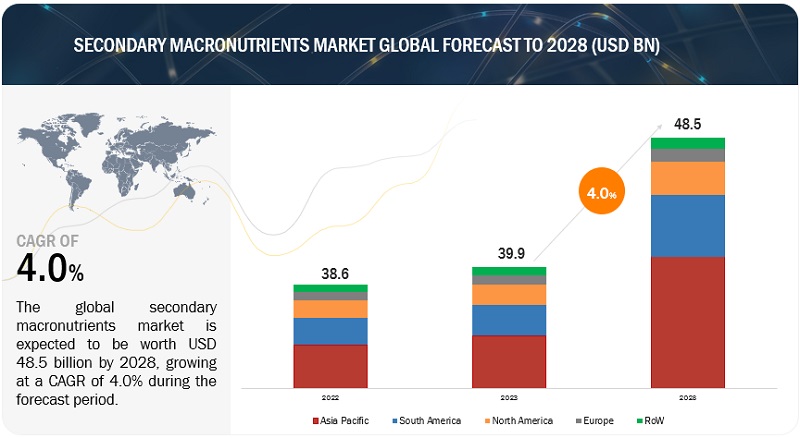
    The secondary macronutrients market is expected to be valued USD 38.6 billion in 2022 and USD 48.5 billion by 2028, with a CAGR of 4.0%

    The global secondary macronutrients market is projected to grow USD 48.5 billion by 2028, growing at a CAGR of 4.0% from 2023 to 2028. The growth of the market is driven by the increasing secondary macronutrient deficiency in the soil and the growing area under cultivation for high-value crops. The deficiency of secondary macronutrients causes yellowing of leaves, stunted growth, and a decrease in crop yield.

    Download PDF brochure: https://www.marketsandmarkets.com/pdfdownloadNew.asp?id=45874881

    Secondary Macronutrients Market Drivers:

    • Soil Nutrient Deficiencies: Soil nutrient deficiencies, particularly calcium, magnesium, and sulfur, can significantly impact crop yields and overall plant health. As farmers aim to maximize their agricultural productivity, the recognition and correction of nutrient deficiencies have become crucial. This drives the demand for secondary macronutrient fertilizers to replenish and maintain optimal nutrient levels in the soil.
    • Crop Specific Requirements: Different crops have varying nutrient requirements, including secondary macronutrients. For instance, crops such as peanuts, tomatoes, potatoes, and legumes generally have higher magnesium requirements. Other crops, like cruciferous vegetables, benefit from sufficient sulfur levels. Farmers need to address these specific nutrient needs to ensure healthy crop growth and maximize yields, leading to increased demand for secondary macronutrient fertilizers.
    • Soil pH Management: Soil pH plays a vital role in nutrient availability and uptake by plants. In acidic soils, calcium and magnesium deficiencies are more common, while sulfur availability may be limited in alkaline soils. To optimize soil pH and create a favorable environment for plant nutrient uptake, farmers often apply secondary macronutrient fertilizers accordingly. Soil pH management drives the demand for these nutrients in agricultural practices.
    • Intensive Farming Practices: Intensive farming practices, including high-yield crop varieties, multiple cropping cycles, and increased fertilization rates, can deplete soil nutrient reserves over time. As a result, farmers need to replenish the secondary macronutrient levels through fertilization to ensure continued crop productivity. The intensification of agriculture contributes to the demand for secondary macronutrient fertilizers.

    Growing Segments in Secondary Macronutrients Market:

    • Agriculture: The agricultural sector is a significant segment driving the demand for secondary macronutrients. Farmers and growers are increasingly recognizing the importance of secondary macronutrients in achieving optimal crop yields and quality. As a result, there is a growing adoption of secondary macronutrient fertilizers to address nutrient deficiencies and ensure balanced nutrition for crops.
    • Horticulture: The horticulture industry, which includes fruits, vegetables, ornamental plants, and flowers, is experiencing a surge in demand for secondary macronutrients. Growers in this segment focus on enhancing the quality and appearance of their produce. Calcium, magnesium, and sulfur play vital roles in fruit development, disease resistance, and overall plant health, making them essential for horticultural crops.
    • Turf and Landscape: The turf and landscape segment encompasses golf courses, sports fields, parks, and residential lawns. These areas require proper nutrient management to maintain healthy and visually appealing green spaces. Secondary macronutrients, particularly calcium and magnesium, contribute to strong turf growth, improved color, and enhanced stress tolerance. The demand for secondary macronutrient fertilizers in this segment is driven by the need for quality turf and attractive landscapes.
    • Hydroponics and Controlled Environment Agriculture (CEA): Hydroponics and CEA systems are gaining popularity in modern agriculture. These systems involve growing plants in nutrient-rich water solutions or controlled environments without soil. Secondary macronutrients are essential in hydroponics and CEA to provide the necessary mineral elements for plant growth. As the adoption of these innovative cultivation methods increases, so does the demand for secondary macronutrient solutions tailored for hydroponic and CEA systems.

    Request Sample Pages: https://www.marketsandmarkets.com/requestsampleNew.asp?id=45874881

    Regional Insights:

    South America is the fastest growing region in the secondary macronutrients market. South America has a large agricultural sector, which is a significant contributor to the region’s economy. The use of secondary macronutrient fertilizers can help farmers improve crop yields and profitability. The availability of secondary macronutrient fertilizers is increasing in the South America region, making it easier and more cost-effective for farmers to use these fertilizers. Many South American countries export agricultural products to other countries, and the use of secondary macronutrient fertilizers can help ensure that these products meet the quality standards required by export markets. and hence it is projected to foster at a higher rate in the secondary macronutrients market.