Plant-Based Leather Market Set to Reach USD 97 Million by 2027: A Sustainable Fashion Revolution

In a transformative shift towards sustainability, the global plant-based leather market is projected to soar to USD 97 million by 2027, with a remarkable Compound Annual Growth Rate (CAGR) of 7.5% during the forecast period. The driving forces behind this surge include a heightened awareness of climate change and animal welfare issues, leading to an increased demand for products that are not only environmentally friendly but also ethical and cruelty-free.

Download PDF brochure: https://www.marketsandmarkets.com/pdfdownloadNew.asp?id=215444895

Designers, artisans, fashion brands, and automotive companies are actively embracing this change, abandoning conventional leather in favor of plant-based alternatives. Collaborations and partnerships with companies specializing in plant-based leather manufacturing have become strategic imperatives in this evolving landscape.

Among the diverse applications of plant-based leather, the fashion segment stands out as the fastest-growing. Recognizing the growing trend of vegan fashion, renowned international brands like H&M, Stella McCartney, and Gucci are gradually incorporating plant-based leather into their collections. These industry leaders are poised to transition from traditional animal leather to cruelty-free, eco-friendly alternatives, satisfying the demands of an increasingly environmentally conscious consumer base. The appeal of these products lies not only in their ethical production but also in their ability to retain the style and texture of traditional leather.

The Asia Pacific region is witnessing the highest growth rate in the plant-based leather market. Encompassing countries such as China, India, Japan, Thailand, Indonesia, South Korea, Australia, and New Zealand, the region leverages agricultural waste to fuel the alternative leather industry. In Japan, consumer behavior is shifting towards climate-friendly, sustainable, and cruelty-free choices, leading to a rising demand for plant-based products. Notably, Japanese brands like Belle and Sofa are making strides by using vegan leather in lieu of traditional leather to craft designer bags and shoes.

Inquiry before buying: https://www.marketsandmarkets.com/Enquiry_Before_BuyingNew.asp?id=215444895

Key players driving innovation and growth in the plant-based leather market include Ananas Anam (UK), DESSERTO (Mexico), NUPELLE (Taiwan), Natural Fiber Welding, Inc. (US), and PEEL Lab (Japan). These companies are at the forefront of the sustainable fashion revolution, pioneering the development of eco-friendly alternatives that align with the values of a conscientious and discerning consumer base.

Algae Products Market Set to Flourish, Projected to Reach USD 7.3 Billion by 2028

The algae products market is experiencing robust growth, with an estimated value of USD 5.3 billion in 2023, projected to soar to USD 7.3 billion by 2028. This growth is attributed to the diverse applications of algae products across various industries, including food and beverages, pharmaceuticals, cosmetics, animal feed, biofuels, and wastewater treatment. The remarkable versatility of algae, which can be processed into powders, extracts, and oils, positions them as attractive ingredients for a wide range of products, fueling market expansion.

Download PDF brochure: https://www.marketsandmarkets.com/pdfdownloadNew.asp?id=250538721

Carotenoids Segment Driving Growth:

Among the various types of algae products, the carotenoids segment is expected to witness the second-highest compound annual growth rate (CAGR) during the forecast period. Rising consumer awareness of antioxidants and their potential health benefits is boosting demand for algae products rich in carotenoids. These compounds play a crucial role in maintaining overall health and well-being. The use of algae-derived carotenoids as natural food colorants in the food and beverage industry further propels market growth.

Blue-Green Algae Emerges as a Sustainable Source:

Within the algae sources, the blue-green algae segment is projected to experience the highest CAGR. Blue-green algae are naturally abundant and can be easily cultivated, making them a reliable and sustainable source for algae-based products. These algae, found in various aquatic environments, contain pigments such as chlorophyll and phycocyanin, making them ideal for use as natural food colorants. The growing demand for plant-based alternatives in the food and beverage industry has driven the adoption of blue-green algae as a sustainable alternative to synthetic dyes.

North America Leads the Market:

In 2023, North America is expected to account for the largest market share in the algae products industry. The region is home to key market players, including algae cultivators, processors, and product manufacturers. These companies possess significant expertise, infrastructure, and distribution networks to meet the increasing demand for algae-based products. Their strong market strategies contribute to overall market growth, driving the adoption of algae products across various sectors.

Inquiry before buying:https://www.marketsandmarkets.com/Enquiry_Before_BuyingNew.asp?id=250538721

Key Players in the Algae Products Market:

Major players operating in the algae products market include DSM (Netherlands), BASF SE (Germany), Corbion (Netherlands), E.I.D Parry (India), International Flavors & Fragrances Inc (US), Cynotech Corporation (US), Earthrise Nutritionals LLC (US), CP Kelco U.S., Inc (US), Cargill, Incorporated (US), and Algea (Norway). These industry leaders play a pivotal role in shaping the landscape of the algae products market, contributing to its sustained growth.

Conclusion:

The algae products market is poised for significant expansion, driven by the increasing awareness of the health benefits associated with algae-derived compounds. With the growing demand for sustainable alternatives in various industries, algae products, particularly those rich in carotenoids and sourced from blue-green algae, are becoming integral ingredients in a diverse array of products. As North America takes the lead in market share, the industry is set to thrive, propelled by the expertise and strategies of key players shaping the future of algae-based products.

The Growing Landscape of Plant-Based Proteins in the Asia Pacific Region

The plant-based protein market is experiencing remarkable growth, with an estimated value of USD 13.3 billion in 2023, projected to reach USD 19.2 billion by 2028. This surge is attributed to the increasing demand for healthier and more sustainable protein sources, with plant-based proteins offering diverse nutritional benefits. The appeal lies in reduced saturated fat content, improved cardiovascular health, and enhanced weight management, attracting individuals worldwide.

Download PDF brochure: https://www.marketsandmarkets.com/pdfdownloadNew.asp?id=14715651

Regional Focus – Asia Pacific

In the Asia Pacific region, a rising demand for fortified nutritional food and beverage products is driven by busy lifestyles and increased disposable incomes. The use of dairy alternatives, particularly soymilk, is on the rise, reflecting changing consumer preferences. Major countries in the region, including Japan, Australia, China, and India, are witnessing significant growth in the dairy alternatives industry. Key market players such as Sanitarium Health & Wellbeing Company, Freedom Foods Group Ltd., Vitasoy International Holdings Limited, and Purcharest are actively contributing to this evolving market.

Factors Driving Growth

The dairy alternatives industry in the Asia Pacific is evolving rapidly due to urbanization, dietary diversification, and increased foreign direct investment in the food sector. Factors such as rising incomes, greater purchasing power, a growing middle-class population, heightened consumer awareness of health and fitness, and increased demand for nutritional and healthy products are creating promising opportunities for growth and diversification in the region’s food sector.

Global Players in Action

To tap into the region’s potential, major global players such as ADM, Cargill, International Flavors & Fragrances Inc., Ingredion, and Roquette Frères are expanding and diversifying their plant-based protein portfolios to meet consumer demands.

Inquiry before buying: https://www.marketsandmarkets.com/Enquiry_Before_BuyingNew.asp?id=14715651

Soy Protein’s Prominence

Soy protein stands out as a highly popular plant-based protein source, offering three main types: soy isolates, soy concentrates, and textured soy protein. Rich in essential amino acids crucial for human nutrition, soy protein has proven health benefits, including the reduction of heart and cardiovascular diseases. The global demand for soy proteins has led to a surge in soybean exports, reaching a historic high of $25.7 billion in 2020.

Innovation and Product Development

Companies in the plant-based protein industry, recognizing the global demand for soy proteins, are actively working on product development and launching new soy protein-based products. An example is Benson Hill Inc, introducing TruVail, a range of soy protein ingredients suitable for use in bakery products, meat alternatives, and snacks.

Biorational Pesticides Market: Trends, Application and Report Forecast

The global biorational pesticides market will grow from USD 7.5 billion in 2023 to USD 15.1 billion by 2028, growing at a CAGR of 15.2% during the forecast period. As reported by the FiBL & IFOAM – Organics International in 2023, the global organic agricultural land surpassed 76.4 million hectares in 2021, encompassing areas undergoing conversion. This significant expansion in organic farming practices has notably influenced the surge in the biorational pesticides market. Organic agriculture, prioritizing natural and sustainable methods while shunning synthetic chemicals, has been pivotal. It underscores a focus on eco-friendly solutions and aligns perfectly with the essence of biorational pesticides—derived from natural origins and demonstrating minimal environmental impact. This mutual alignment complements the core principles of organic farming, fostering the heightened adoption of biorational pesticides within this evolving agricultural landscape.

Significant investments from both public and private sectors have been drawn to the expanding market potential of biorational pesticides. This influx of capital has played a crucial role in enabling the development and commercialization of novel biorational pesticide products which are sourced from botanical, microbial, and non-organic materials. Investment in research and infrastructure has further stimulated market growth, enhancing global accessibility of biorational pesticides for farmers.

Download PDF brochure:https://www.marketsandmarkets.com/pdfdownloadNew.asp?id=57324225

Pesticides derived from plant sources or their extracts, known as botanical-based pesticides, frequently exhibit characteristics that enhance their stability during storage. These compounds, originating from plants, often possess inherent stability, mitigating rapid degradation or breakdown under standard storage conditions. This inherent stability contributes to an extended shelf life in comparison to certain microbial-based pesticides.

In terms of storage requirements, botanical-based pesticides typically demand simpler conditions than some microbial-based counterparts. While they may require standard storage practices, such as averting extreme temperatures or excessive moisture, they generally do not mandate specialized storage facilities or rigorous environmental controls.

Moreover, some botanical-based pesticides exhibit a broad-spectrum effect, meaning they have the capability to target and control a wide range of pests. These pesticides, derived from plant sources or their extracts, might possess compounds that affect various types of insects, fungi, or other pests. For instance, certain plant-derived compounds like pyrethrins or neem oil can impact a broad range of insects and diseases, offering a comprehensive approach to pest control.

Liquid formulations of pesticides present distinct advantages over their dry counterparts, propelling their increased market demand. Their ease of application stands out as a primary factor, as liquids allow for more uniform spraying over large areas, ensuring enhanced coverage, particularly on uneven or densely foliated surfaces. This attribute facilitates efficient application, contributing to better pest management outcomes.

Moreover, the precision of liquid formulations in delivering active ingredients to specific pests or targeted areas further distinguishes them. This targeted delivery mechanism elevates their efficacy in pest control strategies, ensuring a more focused and effective approach. Additionally, the convenience in handling and mixing liquid formulations during preparation and application adds to their appeal. Their ability to seamlessly blend with diverse substances or additives enhances their versatility in pest management practices. As a result of these advantages and their perceived efficiency, liquid formulations have gained favor among farmers and pest management professionals, fostering their increasing preference and market growth.

The agricultural sector in North America is characterized by a variety of farming systems, including large-scale commercial operations and smaller organic and specialty crop farms. This diverse landscape creates favorable conditions for the utilization of biorational pesticides across a wide range of crops.

In North America, regulatory bodies have erected robust frameworks, rigorously scrutinizing the usage of conventional pesticides, fueled by apprehensions encompassing safety and environmental repercussions. These stringent measures have triggered a surge in the quest for biorational pesticides, esteemed for their perceived safety and eco-friendly attributes. A significant milestone unfolded when the U.S. Environmental Protection Agency (EPA) championed the cause of shielding children and agricultural workers from the perils of a hazardous pesticide with ties to enduring cognitive impairments.

In a monumental move unveiled in August 2021, the agency unveiled plans for a sweeping prohibition on chlorpyrifos across all food crop applications, marking an epochal stride in safeguarding public health and the environment. This decisive action, born out of mounting concerns about the pesticide’s detrimental impacts, stands as a testament to the intensifying drive toward embracing safer and more sustainable alternatives in the agricultural landscape. The pronounced pivot towards biorational pesticides amid stringent regulatory reforms underscores an ardent commitment to fostering a safer, greener future in pest management practices within North America.

Make an Inquiry:https://www.marketsandmarkets.com/Enquiry_Before_BuyingNew.asp?id=57324225

The key players in the biorational pesticides market include BASF SE (Germany), Bayer AG (Germany), UPL (India), FMC Corporation (US), Syngenta AG (Switzerland), Novozymes A/S (Denmark), Sumitomo Chemical Co., Ltd (Japan), Pro Farm Group Inc (US), Koppert (Netherlands), Valent BioSciences LLC (US), Gowan Company (US), Certis Biologicals (US), Biobest Group (Belgium), BIONEMA (UK), and Vestaron Corporation (US).

Navigating the Growth Waves: The Global Collagen Market’s Evolution

In the dynamic landscape of global markets, the collagen industry is experiencing a significant surge, with a projected value of USD 7.2 billion by 2030. This growth, marked by a Compound Annual Growth Rate (CAGR) of 5.3%, is fueled by various factors such as the increasing use of collagen in the food sector, a growing interest in protein consumption and nutricosmetics, expanding applications in healthcare, and the rise of collagen-based biomaterials. As we delve into the driving forces behind this phenomenon, it becomes evident that the collagen market is not merely expanding; it is undergoing a transformative journey with far-reaching implications.

Download PDF brochure: https://www.marketsandmarkets.com/pdfdownloadNew.asp?id=220005202

Key Growth Drivers

The growth trajectory of the global collagen market is underpinned by several key factors. The rising demand for collagen in the food sector, coupled with an increasing emphasis on protein consumption and nutricosmetics, has created a robust market ecosystem. Additionally, the versatile applications of collagen in healthcare and the utilization of collagen-based biomaterials contribute significantly to its upward trajectory. The confluence of these factors, alongside increasing per capita income and a flourishing food processing sector, presents collagen producers with unprecedented growth prospects.

Europe’s Dominance

In the forecast period, Europe emerges as the epicenter of the global collagen market. The region boasts major collagen manufacturers such as Tessenderlo Group (Belgium), GELITA AG (Germany), Lapi Gelatine S.p.a. (Italy), and Weishardt Holding SA (France). This concentration of industry leaders further propels Europe to the forefront of collagen market dominance.

Key Players Shaping the Industry

A closer look at the industry landscape reveals key players steering the course of the global collagen market. Companies such as Tessenderlo Group, GELITA AG, Holista Colltech, Darling Ingredients, Nitta Gelatin NA Inc., Gelnex, Lapi Gelatine S.p.a., Weishardt Holding SA, Royal DSM N.V, and Collagen Solutions LLC are at the forefront of innovation and development. Their strategic marketing initiatives and diverse product portfolios underscore their pivotal role in shaping the collagen market’s trajectory.

Applications Driving Market Dynamics

Among the various applications of collagen, the nutritional products segment takes center stage, emerging as the largest in the global market. This prominence is particularly evident in sports nutritional products, where collagen plays a crucial role in enhancing athletes’ performance. Its contribution to joint and connective tissue protection, muscle restoration, muscular contraction, and weight management positions collagen as a key ingredient in optimizing athletes’ stamina and energy levels while minimizing the risk of injury.

Request Sample Pages: https://www.marketsandmarkets.com/requestsampleNew.asp?id=220005202

Marine Sourced Collagen: A Rising Star

Within the source types, marine collagen stands out as the segment projected to achieve the highest CAGR from 2022 to 2030. The demand for marine collagen has surged, especially in the cosmetics sector, where it offers a myriad of beauty benefits. Its effectiveness in reducing wrinkles, uplifting skin cells, and promoting skin elasticity makes marine collagen a sought-after ingredient. Furthermore, marine collagen, particularly type I, has proven efficacy in fostering the growth and maintenance of hair, nails, and teeth.

Conclusion

As we navigate the evolving currents of the global collagen market, it becomes apparent that this industry is not just witnessing growth; it is experiencing a transformative evolution. The convergence of diverse factors, from changing consumer preferences to technological innovations, paints a vivid picture of a market poised for substantial expansion. With Europe leading the charge and key players driving innovation, the collagen market’s journey is one of dynamic growth, promising a future shaped by sustainability, versatility, and a commitment to health and well-being.

South America’s Booming Cannabis Market: A Comprehensive Overview

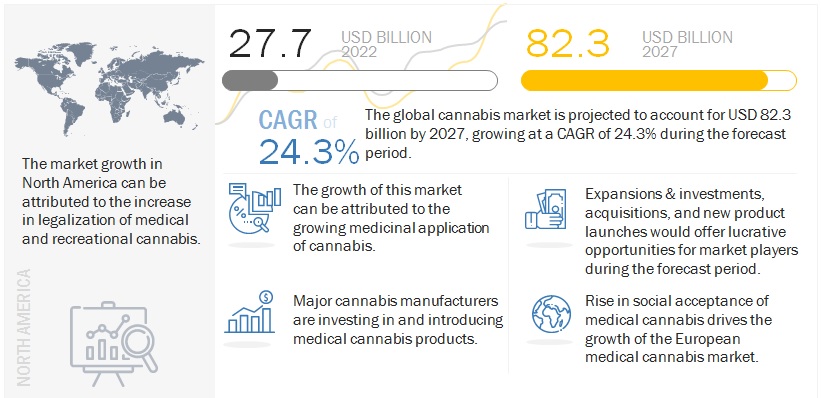
The industrial cannabis market is experiencing unprecedented growth, with an estimated value of USD 27.7 billion in 2022 and a projected surge to USD 82.3 billion by 2027, showcasing a remarkable Compound Annual Growth Rate (CAGR) of 24.3%. This surge is fueled by diverse factors, including the increased legalization of medical cannabis in South America. Notably, countries such as Uruguay, Colombia, Argentina, Brazil, Chile, and others have played pivotal roles in shaping the cannabis landscape in the region.

Download PDF brochure: https://www.marketsandmarkets.com/pdfdownloadNew.asp?id=201768301

Legalization and Decriminalization

The legalization of medical cannabis, initially spearheaded by Uruguay and Colombia, has triggered a domino effect across South American nations. While personal cultivation for recreational use is permitted in several countries, commercial sales are restricted to Uruguay. Countries like Chile, Colombia, Costa Rica, Ecuador, and Peru have decriminalized possession of small amounts for personal use. The region is witnessing a surge in local companies obtaining EU-Good Manufacturing Practice (GMP) certification, coupled with favorable legislation approvals.

Market Growth Drivers

The South American cannabis market enjoys various growth catalysts, including favorable climatic conditions, low-cost labor, and economical construction costs compared to North America. The burgeoning market has attracted key players like Canopy Growth Corporation, Aurora Cannabis Inc., VIVO Cannabis Inc., HEXO Corp., and others.

CBD Dominance and Market Trends

The CBD-dominant segment is anticipated to secure the second-largest market share during the forecast period. This growth is driven by high demand and progressive policy reforms globally. As people prioritize self-care and mental wellness, the CBD market has flourished, particularly in edibles, skincare, and online distribution channels.

Speak to Analyst: https://www.marketsandmarkets.com/speaktoanalystNew.asp?id=201768301

Medical Segment and Consumer Demand

The medical segment contributes significantly to the overall cannabis market, addressing various medical conditions such as anxiety, gastrointestinal disorders, seizures, and epilepsy. The increasing network of cannabis dispensaries enhances product accessibility, promising a bright future for the market. Despite the growing recognition of medical benefits, challenges persist, including manufacturing inefficiencies and inadequate quality control. However, advancements in manufacturing procedures and quality standards position the pharmaceutical industry to deliver more consistent and compliant products.

Conclusion

South America’s cannabis market is on a trajectory of substantial growth, driven by evolving legal frameworks, favorable economic factors, and increasing consumer demand for both medical and CBD products. As the industry addresses challenges and embraces innovation, it is poised to play a significant role in the global cannabis landscape.

Beyond the Gel: Unveiling the Versatility of Hydrocolloids

The hydrocolloids market refers to the industry involved in the production and distribution of hydrocolloids, which are a group of substances that can form a gel-like structure when combined with water. These compounds are widely used in various industries, including food and beverages, pharmaceuticals, cosmetics, and more.

Download PDF brochure: https://www.marketsandmarkets.com/pdfdownloadNew.asp?id=1231

Hydrocolloids play a crucial role in food products, where they are used as thickening agents, stabilizers, emulsifiers, and gelling agents. Common examples of hydrocolloids include carrageenan, guar gum, xanthan gum, pectin, and agar. These ingredients contribute to the texture, viscosity, and overall quality of many processed foods.

The food industry represents a significant portion of the hydrocolloids market, driven by the increasing demand for processed and convenience foods. Hydrocolloids are essential in enhancing the sensory attributes of food products and improving their shelf life. Additionally, they are employed in the pharmaceutical industry for various purposes, such as the formulation of drug delivery systems.

The cosmetics and personal care industry also utilize hydrocolloids in the production of creams, lotions, and other beauty products. Their ability to modify the rheological properties of formulations makes them valuable in achieving the desired texture and stability in cosmetic applications.

The market for hydrocolloids is influenced by factors such as consumer preferences for convenience foods, the growing awareness of health and wellness, and advancements in food technology. As the demand for innovative and functional ingredients continues to rise, the hydrocolloids market is expected to experience sustained growth.

Request Sample Pages: https://www.marketsandmarkets.com/requestsampleNew.asp?id=1231

Manufacturers in the hydrocolloids industry focus on research and development to discover new applications and improve the functionality of existing hydrocolloid products. This constant innovation contributes to the expansion of the market and provides opportunities for businesses to meet evolving consumer demands.

Overall, the hydrocolloids market plays a vital role in various industries, offering versatile solutions for product development and formulation across food, pharmaceuticals, cosmetics, and other sectors. The ongoing evolution of consumer preferences and industry regulations will likely shape the trajectory of this market in the coming years.

The Surge of Functional Food Ingredients: A Growing Market Shaped by Health Consciousness

Introduction:

The global functional food ingredients market has experienced substantial growth, estimated at USD 98.9 billion in 2021 and projected to reach USD 137.1 billion by 2026. This upward trajectory, with a CAGR of 6.8%, reflects the increasing demand for functional food and beverage products that offer nutritive health benefits, disease prevention, and energy enhancement.

Download PDF brochure: https://www.marketsandmarkets.com/pdfdownloadNew.asp?id=9242020

Driving Factors:

A significant driver of this growth is the escalating health awareness among consumers globally. The emphasis on healthier living has led to a surge in demand for functional food ingredients, particularly in North America, where consumers are scrutinizing food labels and prioritizing health-conscious choices.

North American Market Dynamics:

North America is a key player in this market, driven by a health-conscious consumer base. The region’s hectic lifestyles contribute to a rise in chronic diseases, fostering awareness about the health advantages of functional foods. With over three-quarters of US adults taking dietary supplements, there is a clear market demand. Major players such as Cargill, Archer Daniels Midland Company, and DuPont are investing in research programs to meet the diverse demands of North American consumers.

Probiotics’ Dominance:

In 2020, probiotics claimed the lion’s share of the market. Beyond their nutritional value, probiotics offer various health benefits, sparking increased interest in their use in food applications. The Department of Medical Nutrition at the Karolinska Institute highlights the association between fermented dairy product consumption and a lower prevalence of colon cancer, indicating the potential cancer risk reduction offered by probiotics.

Natural vs. Synthetic Ingredients:

Most functional food ingredients are naturally sourced, aligning with the rising consumer preference for natural products. While synthetic ingredients are more cost-effective, the demand for natural ingredients persists due to their perceived health benefits. The natural food ingredients market, particularly in North America and Europe, remains resilient and is expected to grow further. Notably, plant protein is gaining traction for its lower environmental impact and increased efficiency in resource consumption.

Request Sample Pages: https://www.marketsandmarkets.com/requestsampleNew.asp?id=9242020

Conclusion:

The global functional food ingredients market is on a robust growth path, fueled by increasing health consciousness and a demand for products offering more than basic nutrition. As North America takes center stage in this evolution, key players are investing in research and development to cater to the region’s diverse and health-focused consumer base. Probiotics, natural ingredients, and plant proteins are emerging as key drivers, shaping the future landscape of the functional food ingredients market.

The Growing Influence of Pet-Centric Social Media Platforms on the Wet Pet Food Market

The wet pet food market is undergoing a remarkable transformation, with an estimated value of USD 25.5 billion in 2023, projected to reach USD 31.7 billion by 2028 at a CAGR of 4.5% from 2023 to 2028. A key driver behind this evolution is the profound impact of pet-centric social media platforms, fundamentally altering the way individuals perceive, interact with, and care for their animal companions.

View detailed Table of Content here – https://www.marketsandmarkets.com/Market-Reports/wet-pet-food-market-84650226.html

Pet-centric social media platforms have become ubiquitous, providing pet owners with a unique space to showcase their beloved animals, share anecdotes, and access a wealth of information. This cultural shift places pets at the heart of households, fostering an increased emotional bond between owners and their furry friends.

In the by-pet segment, the cat category is poised for significant growth during the forecasted period. In recent years, there has been a noticeable rise in cat adoption rates globally, challenging the traditional dominance of dog adoption. Cats are gaining popularity as low-maintenance, apartment-friendly companions, making them an ideal choice for urban lifestyles. As cat ownership rises, pet owners are becoming more aware of their nutritional needs, aligning well with the attributes of wet pet food. The perception of wet pet food as a more palatable and convenient option further bolsters its demand for cats.

Asia Pacific emerges as a key player in the wet pet food market, experiencing the highest CAGR. Several factors contribute to this growth, including rising disposable incomes across the region. As incomes increase, pet owners prioritize premium and specialized products, such as wet pet food, for their pets. Urbanization and changing lifestyles also contribute to the surge in pet ownership, driving demand for high-quality pet food. The popularity of online platforms, especially social media and e-commerce, plays a pivotal role. Social media disseminates information about pet care and nutrition, encouraging pet owners to seek healthier and nutritionally balanced food options. E-commerce platforms offer convenience, enabling consumers to access a wide array of wet pet food products easily.

Speak to Analyst: https://www.marketsandmarkets.com/speaktoanalystNew.asp?id=84650226

Key players in the wet pet food market include Nestlé, Mars, Incorporated, Colgate-Palmolive Company, Unicharm Corporation, Thai Union Group PCL, Charoen Pokphand Foods PCL, General Mills Inc., The J.M. Smucker Company, Better Choice Company, and Real Pet Food Co.

In conclusion, the wet pet food market’s trajectory is intricately linked to the evolving dynamics of pet ownership influenced by social media and changing consumer preferences. As pets take center stage in households worldwide, the demand for high-quality, specialized pet food is set to grow, driving innovation and expansion in the wet pet food market.

Cultivating Growth: The Thriving Landscape of the Global Inoculants Market

Introduction

The global inoculants market is experiencing remarkable growth, with an estimated value of USD 1.1 billion in 2022, poised to reach USD 1.7 billion by 2027 at a robust Compound Annual Growth Rate (CAGR) of 8.1%. This surge is attributed to the widespread adoption of inoculants, fostering more efficient fermentation processes and delivering significant benefits such as reduced fermentation losses and enhanced animal performance.

Download PDF brochure: https://www.marketsandmarkets.com/pdfdownloadNew.asp?id=152735696

Enhancing Feed Quality

Inoculants play a pivotal role in improving the nutritive value of feed and increasing feed palatability, particularly in the context of silage. Their addition aids in lowering pH values, facilitating improved digestion in animals, especially in cattle. The rising global demand for high-quality dairy products has prompted governments to support silage practices, driving the demand for silage inoculants.

South America’s Leading Role

The South American region emerges as a key player in the inoculants market, projected to experience the highest CAGR from 2022 to 2027. The demand for better livestock management practices to meet the increasing demand for meat and dairy products is a significant factor fueling the market’s growth. With ample arable land and expanding farmlands, especially in countries like Brazil and Argentina, the region holds promise for substantial market expansion. Additionally, the growing demand for organic food products in South America further contributes to the flourishing agricultural inoculants market.

Key Players Driving Innovation

Industry leaders such as Corteva Agriscience, BASF SE, Bayer AG, and others are pivotal in shaping the market landscape. These key players emphasize strategic initiatives and innovations, underscoring the importance of their role in propelling market growth.

Agricultural Inoculants: A Growing Segment

Driven by environmental concerns associated with chemical fertilizers, the agricultural inoculants segment is projected to experience a higher CAGR in the market. The use of inoculants, promoting plant growth through beneficial bacteria, aligns with the increasing demand for organic and environmentally friendly farming practices. Major players like BASF, Bayer, and Novozymes contribute significantly by offering a wide variety of agricultural inoculants for various crops.

Oilseeds & Pulses: A Pivotal Growth Driver

The oilseeds & pulses segment stands out as a crucial driver for market growth. These crops, forming a staple diet for millions in developing countries, witness increasing cultivation, even in regions where they were not traditionally grown. With soybean production projected to reach substantial figures, the demand for oilseeds and pulses, including soybean, canola, peas, beans, and other legumes, propels the growth of this segment.

Speak to Analyst: https://www.marketsandmarkets.com/speaktoanalystNew.asp?id=152735696

Conclusion

The global inoculants market is in the midst of an exciting growth phase, driven by factors such as the increasing demand for high-quality dairy products, the adoption of better livestock management practices, and the rise of organic farming. With key players leading the charge and a focus on sustainable agricultural practices, the market is poised for continued expansion, contributing to a more efficient and environmentally conscious farming landscape.