Introduction
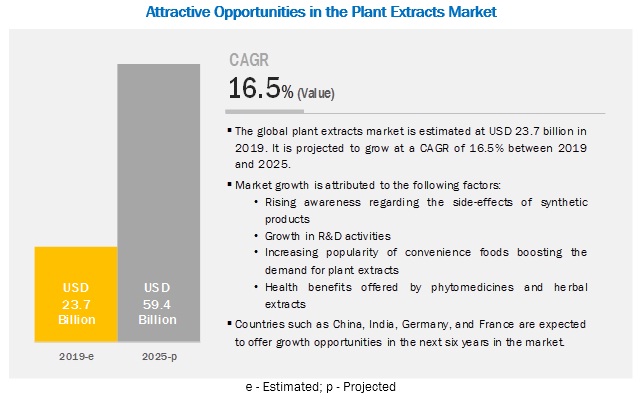
The global plant extracts market size is estimated to be valued at USD 34.4 billion in 2022 and is projected to reach USD 61.5 billion by 2027, recording a CAGR of 12.3% in terms of value. The global market for plant extracts has been experiencing remarkable growth in recent years, driven by an increasing demand for natural and sustainable products across various industries. These extracts, obtained from various parts of plants, offer a wide array of applications in sectors such as pharmaceuticals, cosmetics, food and beverages, and more. The surge in consumer awareness about the benefits of plant-based products, coupled with advancements in extraction technologies, has significantly contributed to the expansion of this market.
Download PDF brochure: https://www.marketsandmarkets.com/pdfdownloadNew.asp?id=942
Diverse Applications and Market Segments
Plant extracts find utility across an extensive range of industries, making their market exceptionally versatile. In the pharmaceutical sector, these extracts are used for their therapeutic properties and potential health benefits. The natural compounds found in plants are being studied for their antioxidant, anti-inflammatory, and antimicrobial properties, among others. As the world seeks alternatives to synthetic drugs, plant extracts offer a promising avenue for drug development.
The cosmetic industry has also harnessed the potential of plant extracts. Consumers are increasingly inclined towards products that are free from harsh chemicals, and plant-based ingredients align perfectly with this preference. Ingredients like aloe vera, tea tree oil, and lavender are just a few examples of plant extracts that have become staples in skincare and personal care products.
In the food and beverage sector, plant extracts are being utilized for both flavor enhancement and functional properties. Natural flavors derived from plants are sought after as alternatives to artificial additives. Additionally, extracts rich in vitamins, minerals, and bioactive compounds are being incorporated into functional foods and dietary supplements.
Market Drivers and Trends
Several key factors are driving the growth of the plant extracts market. One of the primary drivers is the increasing consumer awareness regarding health and wellness. Consumers are actively seeking products that are not only safe but also offer potential health benefits. Plant extracts, known for their natural origins and potential health-promoting properties, align perfectly with this trend.
Another significant driver is the rising demand for clean-label and natural ingredients. As consumers become more conscious about the origins of the products they consume, manufacturers are under pressure to replace synthetic additives with natural alternatives. Plant extracts fit the bill, offering clean-label solutions for coloring, flavoring, and preserving products.
The market is also being shaped by advancements in extraction technologies. Innovations such as supercritical fluid extraction, microwave-assisted extraction, and ultrasound-assisted extraction have improved the efficiency of obtaining specific compounds from plants, thereby expanding the range of extracts available for commercial use.
Challenges and Future Prospects
While the plant extracts market shows immense promise, it is not without challenges. The variability in the chemical composition of plant materials can lead to inconsistencies in the quality and potency of extracts. Standardization of extracts poses a challenge, especially when different batches of plant material can yield varying results.
Additionally, factors such as climate change and habitat destruction can impact the availability of certain plant species, thereby affecting the supply chain of plant extracts. Sustainable sourcing practices and cultivation of plants for extraction purposes are being explored to mitigate these challenges.
Make an Inquiry: https://www.marketsandmarkets.com/Enquiry_Before_BuyingNew.asp?id=942
Conclusion
The plant extracts market is a dynamic and rapidly growing industry, driven by the increasing demand for natural, sustainable, and healthy products. As consumers continue to prioritize wellness and clean-label ingredients, the potential applications of plant extracts across various sectors are set to expand. With ongoing research, technological advancements, and a focus on sustainability, the market is poised for an exciting journey ahead.
 Trends & Forecast on Agricultural and Food Industry