Collagen Market Size & Share | Forecasts Report and Trend Analysis

The global collagen market size was valued at US$ 4.9 billion in 2022 and is poised to grow from US$ 5.1 billion in 2023 to US$ 7.4 billion by 2030, growing at a CAGR of 5.3% in the forecast period (2023-2030). The increasing demand for collagen products is driven by their widespread application across diverse sectors such as healthcare, cosmetics, and food and beverages. Gelatin and hydrolyzed collagen, in particular, play essential roles in various industries. Collagen supplements, renowned for their versatile uses, find application in cosmetic procedures, anti-aging treatments, and aesthetic medications, contributing to skin moisture retention and preventing premature aging.

In recent years, the marine segment within the collagen market has emerged as a frontrunner, poised for remarkable growth. This surge can be attributed to several factors, including its sustainability, high bioavailability, and diverse applications across various industries.

Download PDF brochure: https://www.marketsandmarkets.com/pdfdownloadNew.asp?id=220005202

Sustainability and Environmental Consciousness

The marine source of collagen is derived from fish by-products, minimizing waste and aligning with the increasing environmental consciousness among consumers. This sustainable approach has contributed significantly to the popularity of marine collagen in the market.

Bioavailability and Versatility

Renowned for its high bioavailability, marine collagen is easily absorbed by the body, making it an efficient choice for supplementation. Its versatility allows for diverse applications in dietary supplements, cosmetics, and medical products, catering to a broad spectrum of consumer needs.

Nutritional Value and Appeal

With a rich composition of type I collagen, vital for skin, hair, and joint health, marine collagen stands out nutritionally. Notably allergen-free and compatible with various dietary preferences, it has garnered widespread appeal among consumers worldwide.

Continuous Innovation and Market Presence

The ongoing wave of research and development in the marine collagen industry ensures continuous innovation, contributing to its dynamic market presence. As global demand for collagen-based products surges, the marine source remains at the forefront of this thriving market.

The Rise of Collagen in Nutritional Products

Another pivotal force within the collagen market is the nutritional products segment. The escalating demand for collagen in nutritional products can be attributed to various factors, including its role in maintaining skin elasticity, joint health, and overall vitality.

Consumer Trends and Preferences

As consumers become increasingly health-conscious, there is a growing awareness of collagen’s benefits, particularly among the aging population seeking preventive measures against signs of aging. The fitness and wellness boom has also propelled collagen into the spotlight, further driving its surge in demand.

Diverse Applications and Integration

Collagen’s adaptability in various forms and its integration into skincare and beauty regimes have fueled its popularity as a key ingredient in nutritional products. Its presence in powders, capsules, and functional foods has made it a staple in daily dietary routines.

Dominance of the US in the Collagen Market

The United States maintains its dominant position within the North American collagen market, driven by factors such as the expansion of the pharmaceutical sector and the growing demand for convenient, nutritionally sound products.

Medical and Pharmaceutical Applications

Collagen finds extensive use in the medical and pharmaceutical domains, including wound care, pain management, and addressing surgical adhesions. Its effectiveness in treating conditions such as arthritis and obesity further contributes to its demand in the region.

Opportunities in the Convenience Food Industry

With a high obesity rate in the country, there is a significant opportunity for collagen-based products in the convenience food industry. Manufacturers can develop innovative products to meet the demand for nutritional and fortified food and beverage items.

Speak to Analyst: https://www.marketsandmarkets.com/speaktoanalystNew.asp?id=220005202

Key Players in the Market

Notable players in the collagen market include Darling Ingredients (US), Ashland (US), Tessenderlo Group (Belgium), Gelita AG (Germany), Nitta Gelatin INC (Japan), and Titan Biotech. (India).

Conclusion

The marine segment’s rapid growth, coupled with the rise of collagen in nutritional products and the dominance of the US market, highlights the immense potential of collagen-based products in meeting the evolving needs of consumers worldwide. As research and innovation continue to drive the market forward, collagen remains a key player in promoting overall health and wellness.

Cultivating Wellness: Exploring the Probiotics Food & Cosmetics Market

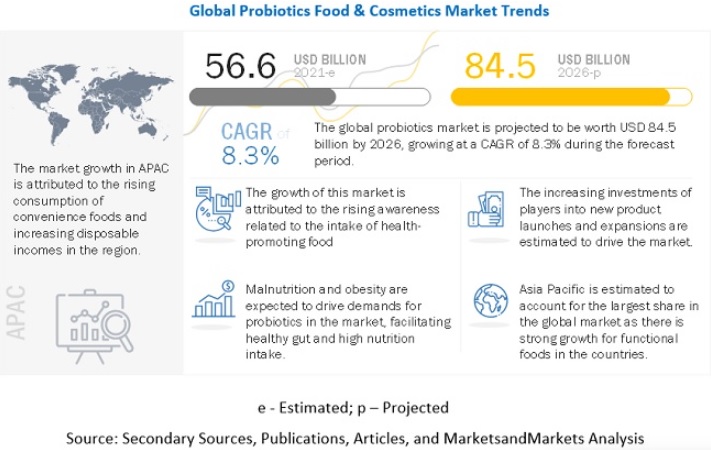
The global probiotics food & cosmetics market is estimated to be valued at USD 56.6 billion in 2021. It is projected to reach USD 84.5 billion by 2026, recording a CAGR of 8.3% during the forecast period. The best probiotics skin care products promote a healthier, stronger, and calmer skin barrier, which consists of a layer of natural bacteria, making them great for combating dryness, irritation, inflammation, and damage caused by free radical exposure. 

Download PDF brochure: https://www.marketsandmarkets.com/pdfdownloadNew.asp?id=22485898

Unlocking the Power of Functional Foods: The Rise of Probiotics

In recent years, there has been a significant shift in global perception regarding daily food products. No longer seen solely as sources of basic nutrition, today’s consumers are increasingly seeking out foods that offer a multitude of health benefits. This has given rise to the popularity of functional foods, which are enriched with biologically active components known to promote human health. Among these functional foods, probiotics, prebiotics, and symbiotic foods have emerged as frontrunners, captivating the attention of health-conscious individuals worldwide.

Challenges Faced by Probiotics: Surviving the Gauntlet of Stomach Acids

Despite their potential health benefits, probiotics encounter a formidable challenge in the form of stomach acids and bile. The harsh conditions prevailing in the stomach and small intestine pose a threat to the survival of these beneficial bacteria, particularly those less resistant to acidity. Research suggests that only a select few strains, such as lactobacillus and bifidobacteria, can withstand the acidic environment of the stomach. This intolerance to stomach acids, typically below pH 2, presents a hurdle for many probiotic strains. However, the human stomach’s protective mucous lining offers some respite, aiding in the survival of these beneficial microorganisms.

Rise of Probiotic Dietary Supplements: Meeting the Demand for Digestive Health

Recognizing the growing demand for products promoting digestive health and immunity, specialty stores have stepped up to offer a diverse range of probiotic dietary supplements. These stores cater to a wide spectrum of consumers, including athletes, senior citizens, children, and women, who prioritize their health and well-being. One such example is the Nutrilite Digestive Probiotic by Amway, available in over 100 countries worldwide. Additionally, retailers like General Nutrition Centers, Inc. and the Vitamin Shoppe provide a plethora of probiotic options, varying in ingredients, flavors, and forms, to meet the diverse needs of consumers.

Fueling Growth in the US Market: Probiotics as a Path to Improved Health

In the United States, the consumption of probiotic supplements has witnessed a remarkable surge, fueled by a growing awareness of their potential health benefits. According to a survey by Dupont Nutrition & Biosciences, probiotic supplement consumption in the US surged by 66% in mid-2020, with daily usage continuing to rise. Consumers are increasingly turning to probiotics to support immune function and promote digestive health, particularly considering the COVID-19 pandemic. Furthermore, factors such as the rising prevalence of conditions like osteoporosis, obesity, and cardiovascular diseases, attributed to micronutrient deficiencies, are driving the incorporation of probiotics into food and beverage products.

Inquiry before Buying: https://www.marketsandmarkets.com/Enquiry_Before_BuyingNew.asp?id=22485898

Key Players Shaping the Probiotics Market

In the dynamic landscape of the probiotics market, several key players are driving innovation and shaping consumer preferences. Companies such as Probi AB, Nestlé, ADM, Danone, DuPont, Yakult Honsha, Kerry, BioGaia, Esse Skincare, and L’Oréal are at the forefront, offering a diverse array of probiotic products tailored to meet the evolving needs of consumers worldwide.

In conclusion, the rise of probiotics underscores a fundamental shift in the way we perceive and consume food. As consumers increasingly prioritize health and wellness, functional foods like probiotics are poised to play an integral role in promoting overall well-being and vitality.

Exploring the Growth Potential: Algae Products Market Analysis

The global algae products market size was valued at US$ 4.9 billion in 2022 and is poised to grow from US$ 5.3 billion in 2023 to US$ 7.3 billion by 2028, growing at a CAGR of 6.4% in the forecast period (2023-2028). Algae products have diverse applications across various industries, including food and beverages, pharmaceuticals, cosmetics, animal feed, biofuels, and wastewater treatment. The versatility of algae and their ability to be processed into different forms, such as powders, extracts, and oils, make them attractive ingredients for a wide range of products, driving market growth.

To know more get PDF Copy: https://www.marketsandmarkets.com/pdfdownloadNew.asp?id=250538721

North America is expected to account for the largest market share in 2023.

The algae products market industry has been studied in North America, Europe, Asia Pacific, South America and Rest of the World. North America is home to several key market players in the algae products industry, including algae cultivators, processors, and product manufacturers. These companies have significant expertise, infrastructure, and distribution networks to meet the growing demand for algae-based products in the region. Their market presence and strong market strategies contribute to the overall market growth and drive the adoption of algae products across various sectors.

Key Players in Algae products Market

The key players in this include DSM (Netherlands), BASF SE (Germany), Corbion (Netherlands), E.I.D Parry (India), International Flavors & Fragrances Inc (US), Cynotech Corporation (US), Earthrise Nutritionals LLC (US), CP Kelco U.S., Inc (US), Cargill, Incorporated (US), and Algea (Norway).

Blue green algae segment of the algae products market by source is projected to witness the highest CAGR during the forecast period

Based on source, the blue green algae segment estimated to account for the highest growth rate. Blue-green algae are considered a valuable source of plant-based protein. They have a higher protein content compared to traditional plant sources, such as soybeans and wheat. The protein from blue-green algae is of high quality, containing all the essential amino acids required by the human body. This makes blue-green algae an attractive option for protein supplementation in the form of powders, protein bars, and beverages.

Schedule a call with our Analysts to discuss your business needs: https://www.marketsandmarkets.com/speaktoanalystNew.asp?id=250538721

Based on end application, personal care segment is projected to witness the highest CAGR during the forecast period

Algae extracts and compounds are known to possess various beneficial properties for skin and hair health. They are rich in vitamins, minerals, antioxidants, and bioactive compounds that nourish and protect the skin and hair. Algae-based ingredients are often used in skincare products, such as moisturizers, serums, masks, and cleansers, to provide hydration, improve skin elasticity, promote cell regeneration, and offer anti-aging effects. In hair care products, algae extracts can enhance hair strength, shine, and manageability.

Emerging Trends: Exploring the Growth Trajectory of the Algae Products Market

Algae products Market Size & Share

With a projected market value of $5.3 billion in 2023 and $7.3 billion by 2028, the global algae products market is expected to expand at a 6.4% CAGR. Algae products have diverse applications across various industries, including food and beverages, pharmaceuticals, cosmetics, animal feed, biofuels, and wastewater treatment. The versatility of algae and their ability to be processed into different forms, such as powders, extracts, and oils, make them attractive ingredients for a wide range of products, driving market growth.

Download PDF brochure: https://www.marketsandmarkets.com/pdfdownloadNew.asp?id=250538721

Based on type, lipids are estimated to account for the largest market share of the algae products market

Based on type, the lipids segment is estimated to account for the largest market share. The presence of lipids in algae products allows for their incorporation into functional foods and nutraceuticals. Lipids provide a source of energy and enhance the absorption of fat-soluble vitamins and bioactive compounds. Algae-based lipid ingredients are used in the development of various products, including dietary supplements, protein bars, beverages, and fortified foods.

Based on end application, personal care segment is projected to witness the highest CAGR during the forecast period

Algae extracts and compounds are known to possess various beneficial properties for skin and hair health. They are rich in vitamins, minerals, antioxidants, and bioactive compounds that nourish and protect the skin and hair. Algae-based ingredients are often used in skincare products, such as moisturizers, serums, masks, and cleansers, to provide hydration, improve skin elasticity, promote cell regeneration, and offer anti-aging effects. In hair care products, algae extracts can enhance hair strength, shine, and manageability.

Inquiry before Buying: https://www.marketsandmarkets.com/Enquiry_Before_BuyingNew.asp?id=250538721

The North America market is projected to contribute the largest share for the algae products market

There is a growing awareness among consumers in North America regarding the health benefits and sustainability aspects of algae-based products. Consumers are becoming more conscious of their dietary choices and are actively seeking natural, plant-based alternatives for various applications. This awareness has resulted in a rising demand for algae-derived products, including food and beverages, dietary supplements, personal care items, and biofuels.

Key Players in Algae products Market

The key players in this include DSM (Netherlands), BASF SE (Germany), Corbion (Netherlands), E.I.D Parry (India), International Flavors & Fragrances Inc (US), Cynotech Corporation (US), Earthrise Nutritionals LLC (US),  CP Kelco U.S., Inc (US), Cargill, Incorporated (US), and Algea (Norway).

Innovations and Trends Driving Growth in the Global Omega-3 Market

The global Omega-3 market is experiencing significant growth, with an estimated value of USD 3.9 billion in 2024, projected to reach USD 7.4 billion by 2029. This expansion is attributed to innovative product technologies and shifting consumer preferences towards proactive health management practices.

Innovative approaches in Omega-3 product development involve the advancement of novel methods, formulations, and delivery techniques tailored to enhance effectiveness, absorption, stability, taste, and convenience. For instance, encapsulating Omega-3 oils within microscopic particles improves their stability and palatability, shielding them from degradation and undesirable flavors.

Download PDF brochure: https://www.marketsandmarkets.com/pdfdownloadNew.asp?id=227

Among the various applications, the dietary supplements segment is dominating the Omega-3 market. Consumers are increasingly embracing Omega-3 dietary supplements for their potential health advantages, including support for heart health, cognitive function, and joint health. Endorsement of health claims associated with Omega-3 fatty acids by regulatory agencies reinforces consumer trust and motivates integration of Omega-3 supplements into daily routines.

Eicosapentaenoic Acid (EPA) emerges as a key type driving growth, with the highest projected Compound Annual Growth Rate (CAGR) during the forecast period. Scientific evidence supporting EPA’s effectiveness in addressing cardiovascular disease, inflammation, and mood disorders like depression bolsters consumer confidence and market expansion.

The marine segment is expected to dominate the Omega-3 market by source. Marine-derived Omega-3, including fish oil, krill oil, and algae, offers high bioavailability, ensuring easy absorption and utilization by the body. Strong consumer trust in marine-derived Omega-3 supplements, particularly fish oil supplements, further contributes to market growth.

The Asia Pacific region is anticipated to exhibit the fastest growth in terms of value. Endorsement of health claims by regulatory agencies and the rise of chronic health conditions prompt consumers in the region to seek Omega-3 supplementation to support overall health and wellness.

Make an Inquiry: https://www.marketsandmarkets.com/Enquiry_Before_BuyingNew.asp?id=227

Key players in the Omega-3 market include BASF SE, Cargill, Incorporated, DSM-Firmenich, ADM, Kerry Group Plc, Croda International Plc, Orkla, Corbion, GC Rieber, Pelagia AS, KD Pharma Group SA, Cooke Aquaculture Inc., AlgiSys Biosciences, Inc., Golden Omega, and Polaris. These companies are at the forefront of innovation and market expansion, catering to the growing demand for Omega-3 products worldwide.

In conclusion, the Omega-3 market is witnessing substantial growth driven by innovative product technologies, increasing consumer awareness of health benefits, and regulatory support. With a focus on enhancing product effectiveness and consumer convenience, the market is poised for continued expansion in the coming years.

Exploring the Flourishing Global Bakery Premixes Industry

Empowering Nutrition and Food Security

In the dynamic landscape of the global food industry, the bakery premixes sector has emerged as a beacon of growth and innovation. With the global bakery premixes market reaching a valuation of USD 406 million in 2023, and projected to surge to USD 544 million by 2028, a robust compound annual growth rate (CAGR) of 6.0% sets the stage for remarkable expansion. This growth trajectory underscores the pivotal role that bakery products play in enhancing nutrition and food security worldwide, as highlighted by the Food and Agriculture Organization of the United Nations (FAO) report of 2019.

Download PDF brochure: https://www.marketsandmarkets.com/pdfdownloadNew.asp?id=126304017

Meeting Nutritional Needs through Bakery Premixes

Bread and bakery products are integral components of diets worldwide, providing essential nutrients such as vitamins, minerals, and fiber. Premixes serve as crucial ingredients, enabling the fortification of baked goods with essential nutrients, thereby enhancing their nutritional value. As the global population continues to expand and the demand for nutritious and accessible food rises, the bakery industry, propelled by advancements in premix technologies, stands poised for significant growth. Embracing these emerging trends presents lucrative opportunities for businesses to contribute to public health and global food security.

Rising Demand for Cake Premixes

Within the bakery premixes market, the cake segment emerges as a focal point of growth, boasting the highest projected CAGR in the upcoming forecast period. The increasing preference for convenient baking solutions, coupled with the growing trend of home baking, drives demand for cake premixes. These premixes offer convenience and quality, catering to the needs of both seasoned bakers and consumers seeking ready-to-use baking solutions. With urbanization, busy lifestyles, and rising disposable incomes fueling demand, manufacturers are introducing innovative cake premix offerings to meet evolving consumer preferences. For instance, South Bakels (South Africa) provides customizable cake premixes, aligning with consumer demands for flexibility and quality.

Speak to Analyst: https://www.marketsandmarkets.com/speaktoanalystNew.asp?id=126304017

UK’s Leadership in the European Bakery Premixes Market

The United Kingdom maintains its dominant position within the European bakery premixes market, attributed to its commitment to product development and responsiveness to changing consumer demands. The British bakery industry showcases a remarkable ability to innovate, introducing new flavors, healthier options, and convenient solutions that resonate with modern lifestyles. Renowned for culinary expertise and adherence to stringent quality standards, UK brands enjoy global recognition, fostering trust among consumers and industry stakeholders. The introduction of innovative products like Puratos’ Easy Soft’r brioche bakery mix in the UK market further enhances growth opportunities, reflecting the adaptability of British brands to meet evolving consumer priorities.

Key Players Shaping the Bakery Premixes Market

Prominent industry players, including Puratos (Belgium), ADM (US), Cargill, Incorporated (US), Nestle (Switzerland), DSM (Netherlands), and Oy Karl Fazer Ab. (Finland), wield significant influence in the bakery premixes market. With robust manufacturing facilities and established distribution networks across key regions, these entities ensure widespread accessibility of their products. Their commitment to innovation, quality, and consumer satisfaction drives the continued growth and evolution of the global bakery premixes industry, paving the way for a future where nutritious and delicious baked goods are accessible to all.

Industrial Enzymes Market Report Analysis, Size, Share and Forecast 2028

Industrial enzymes are proteins produced by living organisms, such as bacteria, fungi, and plants, that are utilized in various industrial processes. These enzymes act as catalysts, speeding up chemical reactions without being consumed in the process. They are widely employed in industries such as food and beverage, textile, paper and pulp, biofuels, detergents, and pharmaceuticals. 

Industrial enzymes have specific characteristics that make them valuable in industrial applications. They are highly efficient, operating under mild conditions such as moderate temperature and pH levels, which reduces energy consumption and production costs. Additionally, they exhibit high specificity, meaning they catalyze specific reactions, resulting in fewer byproducts and increased product purity.

Download PDF brochure: https://www.marketsandmarkets.com/pdfdownloadNew.asp?id=237327836

Who is the largest manufacturer of Industrial Enzymes Market worldwide?

  • BASF (Germany)
  • Novozymes (Denmark)
  • DuPont (US)
  • DSM (Netherlands)
  • Associated British Foods plc (UK)
  • Kerry Group plc. (Ireland)
  • Advanced Enzyme Technologies. (India)
  • Chr. Hansen Holding A/S (Denmark)
  • Amano Enzyme Inc. (Japan)

Industrial Enzymes Market Report Overview:

The industrial enzymes market report provides an overview of the global landscape of industrial enzymes, analyzing key trends, market drivers, challenges, and opportunities. It offers insights into the current market size, growth potential, and competitive dynamics within the industry.

Key components of the report typically include:

  • Market Size and Growth: Analysis of the current market size and growth trajectory of the industrial enzymes market, including historical data and future projections. This section may also delve into market segmentation by enzyme type, application, and region.
  • Market Trends: Identification and analysis of significant trends shaping the industrial enzymes market, such as increasing demand for eco-friendly products, advancements in enzyme engineering, and the adoption of biotechnology in industrial processes.
  • Market Drivers and Challenges: Examination of the factors driving market growth, such as the expanding applications of industrial enzymes across various industries, and challenges such as regulatory constraints, fluctuating raw material prices, and competition from alternative technologies.
  • Competitive Landscape: Assessment of the competitive environment within the industrial enzymes market, including profiles of key players, their market strategies, product portfolios, and recent developments such as mergers, acquisitions, and partnerships.
  • Regional Analysis: Evaluation of market trends and opportunities in different geographical regions, highlighting key markets, growth prospects, and regulatory landscapes affecting the adoption of industrial enzymes.
  • Application Analysis: Exploration of the diverse applications of industrial enzymes across industries such as food and beverage, textiles, biofuels, pharmaceuticals, and detergents, along with insights into emerging applications and their potential impact on market growth.

Make an Inquiry: https://www.marketsandmarkets.com/Enquiry_Before_BuyingNew.asp?id=237327836

Which regions are leading the Industrial Enzymes Market?

The demand for enzymes in North America is experiencing notable growth due to several factors that create a favorable business environment for enzyme manufacturers and users. Governments in the region have implemented supportive policies and incentives, such as tax incentives, grants, and regulations promoting the adoption of sustainable technologies. This regulatory support encourages businesses to embrace eco-friendly solutions, including enzymes, resulting in industrial enzymes market growth.

In North America, there is a strong emphasis on sustainability and environmentally friendly practices. Enzymes offer a sustainable alternative to traditional chemical processes due to their biodegradability, renewability, and minimal environmental impact. As companies strive to reduce their ecological footprint and cater to the demands of environmentally conscious consumers, they are increasingly adopting enzyme-based solutions.

Enzymes have found widespread applications in various industries across North America, including food and beverages, textiles, biofuels, and pulp and paper. These industries rely on enzymes for a wide range of processes, driving the demand for enzymes as these sectors continue to expand and evolve.

Enzymes Market Statistics, Growth Drivers | Forecast – 2027

Enzymes Market Research, 2027

The global enzymes market was valued at $12.1 billion in 2021, and is projected to reach $16.9 billion by 2027, growing at a CAGR of 6.8% from 2022 to 2027. The exploitation of new types of enzymes, improvement of enzyme properties, and the production of enzymes are the overall goals of innovations in the enzyme manufacturing industry. The significant progress in genetics and processing technology enables the enzyme industry to offer products with improved properties, often at reduced costs. Genetic engineering opens new paths for enzymes, with improved stability, activity or specificity, and productivity.

Download PDF brochure: https://www.marketsandmarkets.com/pdfdownloadNew.asp?id=46202020

Drivers of Enzymes Market:

  • Growing Demand in Food and Beverage Industry: Enzymes play a vital role in the food and beverage industry, where they are used for various purposes, such as improving texture, enhancing flavor, and extending shelf life. As the demand for processed and convenience foods increased, so did the demand for enzymes as essential processing aids.
  • Advancements in Biotechnology and Enzyme Engineering: Continuous advancements in biotechnology and enzyme engineering techniques have led to the development of novel and more efficient enzymes. These innovative enzymes offer improved functionality and specificity, expanding their application in various industries.
  • Rising Demand for Industrial Enzymes: Industrial enzymes are widely used in sectors like textiles, detergents, paper, and biofuels. The increasing emphasis on sustainable manufacturing practices and eco-friendly products has led to a higher demand for enzymes as environmentally friendly alternatives to traditional chemical processes.
  • Increasing Awareness of Enzyme Benefits in Animal Nutrition: Enzymes are used as feed additives in animal nutrition to improve digestion and nutrient absorption, leading to enhanced animal health and productivity. As the livestock industry sought to optimize feed efficiency, the demand for enzymes in animal nutrition increased.
  • Pharmaceutical and Biomedical Applications: Enzymes play a crucial role in various pharmaceutical and biomedical applications, such as diagnostic kits, biocatalysts for drug synthesis, and therapeutic treatments. The growing prevalence of chronic diseases and the need for more efficient drug development processes contributed to the demand for enzymes in this sector.
  • Environmental Concerns and Sustainable Practices: Enzymes are considered eco-friendly and sustainable alternatives to conventional chemical processes due to their biodegradable nature and lower energy consumption. Industries increasingly adopted enzymes to align with environmental regulations and consumer preferences for greener products.
  • Increased Use in Biofuel Production: Enzymes are vital in biofuel production, where they facilitate the conversion of biomass into biofuels like bioethanol and biodiesel. The growing interest in renewable energy sources and reducing greenhouse gas emissions boosted the demand for enzymes in the biofuel industry.

Inquiry before buying: https://www.marketsandmarkets.com/Enquiry_Before_BuyingNew.asp?id=46202020

Regional Insights of Enzymes Market:

The Asia Pacific region is projected to witness the fastest growth rate of 7.85% during the forecast period. Asia Pacific is the leading region in terms of sugar production and is projected to expand its production share by 2027 (OECD-FAO Agricultural Outlook 2018–2027). Owing to the large production of sugar, enzymes are often used to hydrolyze starch so as to enhance the sugar production process and improve the overall performance. Furthermore, the use of enzymes in the biofuel industry is expected to grow at a higher rate owing to the increase in bioethanol production and its usage in fueling automobiles and electricity and government support. The enzymes market in China, is projected to grow at a higher rate as China has advanced in adapting various new technologies for biotechnology and pharmaceutical-based research & developments. The usage of enzymes in specialty applications has been augmenting in China due to its versatile nature utilized in cell replacements and therapeutic treatments for various medical disorders & diseases. Thus, the expanding production facilities in the region and advancements in adopting technologies for biotech and pharmaceutical industry is boosting the growth of the market in the region.

Enzymes Market Size, Share, Trends & Growth Report, 2027

The global enzymes market size was valued at USD 12.1 billion in 2022 and is expected to grow at a compound annual growth rate (CAGR) of 6.8% from 2022 to 2027. The exploitation of new types of enzymes, improvement of enzyme properties, and the production of enzymes are the overall goals of innovations in the enzyme manufacturing industry. The significant progress in genetics and processing technology enables the enzyme industry to offer products with improved properties, often at reduced costs. Genetic engineering opens new paths for enzymes, with improved stability, activity or specificity, and productivity.

Download PDF brochure: https://www.marketsandmarkets.com/pdfdownloadNew.asp?id=46202020

Drivers of Enzymes Market:

  • Growing Demand in Food and Beverage Industry: Enzymes play a vital role in the food and beverage industry, where they are used for various purposes such as improving texture, enhancing flavor, and extending shelf life. As the demand for processed and convenience foods increased, so did the demand for enzymes as essential processing aids.
  • Advancements in Biotechnology and Enzyme Engineering: Continuous advancements in biotechnology and enzyme engineering techniques have led to the development of novel and more efficient enzymes. These innovative enzymes offer improved functionality and specificity, expanding their application in various industries.
  • Rising Demand for Industrial Enzymes: Industrial enzymes are widely used in sectors like textiles, detergents, paper, and biofuels. The increasing emphasis on sustainable manufacturing practices and eco-friendly products has led to a higher demand for enzymes as environmentally friendly alternatives to traditional chemical processes.
  • Increasing Awareness of Enzyme Benefits in Animal Nutrition: Enzymes are used as feed additives in animal nutrition to improve digestion and nutrient absorption, leading to enhanced animal health and productivity. As the livestock industry sought to optimize feed efficiency, the demand for enzymes in animal nutrition increased.
  • Pharmaceutical and Biomedical Applications: Enzymes play a crucial role in various pharmaceutical and biomedical applications, such as diagnostic kits, biocatalysts for drug synthesis, and therapeutic treatments. The growing prevalence of chronic diseases and the need for more efficient drug development processes contributed to the demand for enzymes in this sector.
  • Environmental Concerns and Sustainable Practices: Enzymes are considered eco-friendly and sustainable alternatives to conventional chemical processes due to their biodegradable nature and lower energy consumption. Industries increasingly adopted enzymes to align with environmental regulations and consumer preferences for greener products.
  • Increased Use in Biofuel Production: Enzymes are vital in biofuel production, where they facilitate the conversion of biomass into biofuels like bioethanol and biodiesel. The growing interest in renewable energy sources and reducing greenhouse gas emissions boosted the demand for enzymes in the biofuel industry.
  • Advantages in Personal Care and Household Products: Enzymes are utilized in various personal care and household products like detergents, cleaning agents, and skincare products. The enzymes’ ability to enhance cleaning efficiency and improve product performance drove their adoption in this sector.
  • Improvements in Enzyme Stability and Shelf Life: Ongoing research and development efforts have led to improved enzyme stability and longer shelf life, making enzymes more practical and cost-effective for various applications.

Segments of Enzymes Market:

The carbohydrases segment, by type dominates the enzymes market in terms of value

The carbohydrases segment is anticipated to account for the largest share in the market by 2027 as carbohydrases are used in a wide range of applications such as industrial processes and products, and prominently in the food & beverage industry. With the use of carbohydrases, it is possible to obtain different types of sugar syrups (such as glucose, fructose, and inverted sugar syrups), prebiotics (such as galactooligosaccharides and fructooligosaccharides), and isomaltulose, which substitute sweeteners such as sucrose to improve the sensory properties of juices and wines and also reduce lactose in milk. Amylases which are a sub-category of carbohydrases catalyze the hydrolysis of starch into sugars. Hence, companies such as DSM (Netherlands) and Novozymes (Denmark) offer amylases for industrial applications. Amylases are used as an economical alternative for the modification of starch with aggressive oxidizing agents and help in obtaining low viscosity. This results in its usage in large quantities globally.

The food & beverage application, by industrial applications to hold the largest share by 2027

The food & beverage segment is expected to account for the largest share during the forecast period, Consumers from developed regions such as North America and Europe have been demanding higher-quality food & beverages with natural ingredients due to the increased health conscience. This is propelling the enzymes market players to launch effective products to cater to this consumer segment. Moreover, the use of enzymes in packaged juice processing has benefitted the juice manufacturers in maximizing the amount of juice removed from the fruit, thereby reducing waste, and controlling costs. Increasing demand for beverages, especially in the soft drinks segment, has augmented enzyme application in this sector. This coupled with the increased consumption of packaged juices has been an important factor in fueling this market.

Inquiry before buying: https://www.marketsandmarkets.com/Enquiry_Before_BuyingNew.asp?id=46202020

Regional Insights of Enzymes Market:

  • North America: North America was a significant market for enzymes, driven by the presence of well-established industries such as food and beverages, pharmaceuticals, and biofuels. The region’s high focus on research and development, as well as a strong emphasis on sustainable practices, contributed to the adoption of enzymes in various applications. The United States and Canada were the leading countries in the region for enzyme production and consumption.
  • Europe: Europe was another prominent market for enzymes, with countries like Germany, the United Kingdom, and the Netherlands being key players. The region’s well-developed food and beverage industry, coupled with stringent environmental regulations, boosted the demand for enzymes as sustainable processing aids. Additionally, Europe’s strong focus on innovation and technology advancements fostered the growth of enzyme applications in various sectors.
  • Asia-Pacific: The Asia-Pacific region exhibited rapid growth in the enzymes market, driven by factors such as a large population, increasing urbanization, and a rising demand for processed foods. Countries like China, India, Japan, and South Korea were significant consumers and producers of enzymes. Additionally, the region’s expanding industrial sectors and growing awareness of sustainable practices further stimulated enzyme adoption in various industries.
  • Latin America: Latin America demonstrated a growing demand for enzymes, particularly in the food and beverage industry. Countries like Brazil and Argentina were prominent consumers and producers of enzymes, driven by the region’s abundant agricultural resources and the need for cost-effective and sustainable solutions in various industrial processes.
  • Middle East and Africa: The enzymes market in the Middle East and Africa region was characterized by a steady increase in demand, driven by factors such as a growing population, changing dietary preferences, and expanding industrial sectors. While the market was relatively smaller compared to other regions, there was an increasing interest in enzyme applications in sectors like food processing, detergents, and biofuels.
  • Rest of the World: Other regions, such as parts of Eastern Europe and Oceania, also contributed to the global enzymes market. These regions showed varying levels of enzyme adoption, influenced by factors like economic growth, industrial development, and awareness of sustainable practices.

Spices and Seasonings Market Size, Share, Report 2021-2026

The global spices and seasonings market size was accounted at USD 21.3 billion in 2021 and it is projected to surpass around USD 27.4 billion by 2026, growing at a registered CAGR of 5.2% from 2021 to 2026. Globally, the spices & seasonings market is driven by the growing demand for convenience food products, clean label trends, and natural preservatives for the meat industry. However, the growing incidences of adulteration and contamination in the spices exported from developing countries such as India and China are prompting regulatory bodies in Europe and America to strengthen the safety regulations on imported spices and seasonings.

Download PDF brochure: https://www.marketsandmarkets.com/pdfdownloadNew.asp?id=739

Market Overview of Spices and Seasonings Market

The Spices and Seasonings Market is a thriving industry driven by the growing demand for flavor-enhancing ingredients in culinary practices. As consumers seek diverse and exotic taste experiences, the market offers a wide range of spices and seasonings, including traditional favorites and innovative blends. Factors such as globalization, changing food preferences, and the increasing popularity of ethnic cuisines contribute to the market’s expansion. Additionally, the market is witnessing advancements in product offerings, packaging, and distribution channels to cater to the evolving needs of consumers. With a promising outlook, the Spices and Seasonings Market continues to evolve, offering abundant opportunities for both established players and new entrants.

Spices and Seasonings Market Drivers and Opportunities

Clean Label: A clear trend across global food market

Increasing consumption of healthy food products among modern consumers has led to increasing interest in the origin of the ingredients used to produce these products. Consumers prefer natural and clean-label flavors and ingredients as they are constantly looking for ‘natural’ nutrition and are opting for products that incorporate inherently natural, fresh, wholesome, and balanced nutrition. They largely perceive “clean label” as having a natural flavor and natural color.

The growing trend toward clean-label products, which is slowly becoming a requisite across the globe, is offering growth opportunities to the food manufacturers to create new formulations and new products to cater to the rising consumer demand for healthier food products. One example of manufacturers introducing natural ingredients is “Verdad Powder F80”, a product launched by Corbion Purac (Netherlands) in 2013. This product is permitted to be labeled as ‘fermented sugar’ to meet consumer demand for natural, fresh, and authentic-tasting products.

The food industry faces the challenge of finding natural ingredients, which will maintain food quality and integrity without compromising the shelf life, taste, and texture of the food products. Furthermore, natural ingredients are costlier when compared to artificial flavors.

Thus, the rising consumer demand for natural food ingredients is anticipated to increase the demand of spices and seasonings market soon.

Encapsulation of spices witness higher sales growth rate

Encapsulation of food products and ingredients has been on the rise over the past couple of years. The advancement of encapsulation has led to its application in almost every sector of the food & beverage industry. A similar kind of application pattern has also been witnessed in the spices and seasonings market. Some of the key manufacturers in the flavor and fragrance industry have been availing the spices variants in encapsulated formats. The UK-based company, Taste Tech has developed a new method for processing paprika and turmeric spices. The method is controlled-release encapsulation, whereby the oleoresins and essential oils of spices are extracted and encapsulated within invisible microfilm of hardened vegetable oil, resulting in a free-flowing, easy-to-handle powder. The company claims the flavor is enhanced, as is the coloring effect when compared with original and untreated spices. Thus, higher application of food encapsulation paves the way for the spices and seasoning market to grow significantly in terms of value sales during the forecast period.

Key Segments and Sub-segments in Spices and Seasonings Market

The Spices and Seasonings Market is witnessing significant growth in several segments due to changing consumer preferences and culinary trends. Here are some of the growing segments in the market:

  • Organic Spices: With the increasing emphasis on healthy and natural ingredients, organic spices are gaining popularity. Consumers are seeking pesticide-free and sustainably sourced spices, driving the demand for organic options.
  • Exotic and Ethnic Spices: As consumers explore diverse global cuisines, the demand for exotic and ethnic spices is on the rise. Spices like turmeric, cardamom, cumin, and cinnamon from different regions are gaining traction.
  • Blended Seasonings: Pre-packaged blended seasonings offer convenience and a balanced flavor profile. These blends combine multiple spices and herbs, catering to consumers who prefer ready-to-use options.
  • Gourmet and Artisanal Spices: The demand for high-quality, premium spices is growing among culinary enthusiasts. Gourmet and artisanal spices, often sourced from specific regions and known for their unique characteristics, are experiencing increased demand.
  • Health-focused Spices: Spices known for their health benefits, such as turmeric with its anti-inflammatory properties or cinnamon for its potential blood sugar regulation, are gaining popularity as consumers prioritize functional foods.

Spices and Seasonings Market Regional Insights

The Spices and Seasonings Market exhibits regional variations in terms of consumption patterns, preferences, and production. Here are some key regional insights:

  • North America: The North American market is characterized by a diverse culinary landscape and a growing demand for global flavors. Spices and seasonings from different cuisines, including Latin American, Asian, and Middle Eastern, have gained popularity. Increasing health consciousness and preference for natural and organic ingredients are driving the demand for high-quality and responsibly sourced spices.
  • Europe: Europe has a rich culinary heritage, with a wide range of traditional spices and seasonings. The market is witnessing a growing demand for premium and gourmet spices, as consumers seek unique and authentic flavors. European consumers also show a preference for organic and sustainable products. The region is also a significant importer of spices from various countries.
  • Asia Pacific: The Asia Pacific region has a strong influence on the global spices and seasonings market. It is home to several key spice-producing countries such as India, China, and Vietnam. The demand for spices and seasonings is high in this region due to the diverse culinary traditions and the preference for flavorful and aromatic ingredients. Additionally, the growing urban population, changing lifestyles, and the rise of international cuisines contribute to market growth.
  • Latin America: Latin American cuisine is known for its vibrant and bold flavors, which rely heavily on a variety of spices and seasonings. Traditional spices like chili peppers, cumin, oregano, and paprika are widely used in the region. As Latin American cuisines gain popularity worldwide, the demand for Latin American spices and seasonings is increasing, both domestically and in international markets.
  • Middle East and Africa: The Middle East and Africa have a rich history of spice trade and consumption. Spices like cinnamon, cardamom, turmeric, and cloves are extensively used in Middle Eastern and African cuisines. The region’s diverse culinary traditions, including Moroccan, Lebanese, and Ethiopian, contribute to the demand for a wide range of spices and seasonings.

Speak to Analyst: https://www.marketsandmarkets.com/speaktoanalystNew.asp?id=739

FAQs of Spices and Seasonings Market

What is the current size of spices and seasonings market?

The global spices and seasonings market is estimated to be valued at USD 21.3 billion in 2021. It is projected to reach USD 27.4 billion by 2026, recording a CAGR of 5.2% during the forecast period.

What is the estimated growth rate (CAGR) of the global spices and seasonings market for the next five years?

The global spices and seasonings market is expected to grow at a compound annual growth rate (CAGR) of 5.2% from 2021 to 2026.

What are the major revenue pockets in the spices and seasonings market currently?

The Asia Pacific region is projected to be the fastest-growing market for spices & seasonings, at a CAGR of 4.4% from 2021 to 2026. The usage of spices and seasonings in the industrial sector is less in the Asia Pacific region as compared to that in developed regions, which presents food processing industries with considerable untapped potential.

Who are the key players in the spices and seasonings market?

The key players in this market include MOGUNTIA FOOD GROUP AG (Germany), Associated British Food plc (UK), Olam International (Singapore), McCormick & Company (US), and Ajinomoto Co., Inc (Japan), Paras Spices Private Limited (India), Worlée Gruppe (Germany), etc.