Textured Vegetable Protein Market: Growth Drivers & Opportunities

marketsandmarkets logo

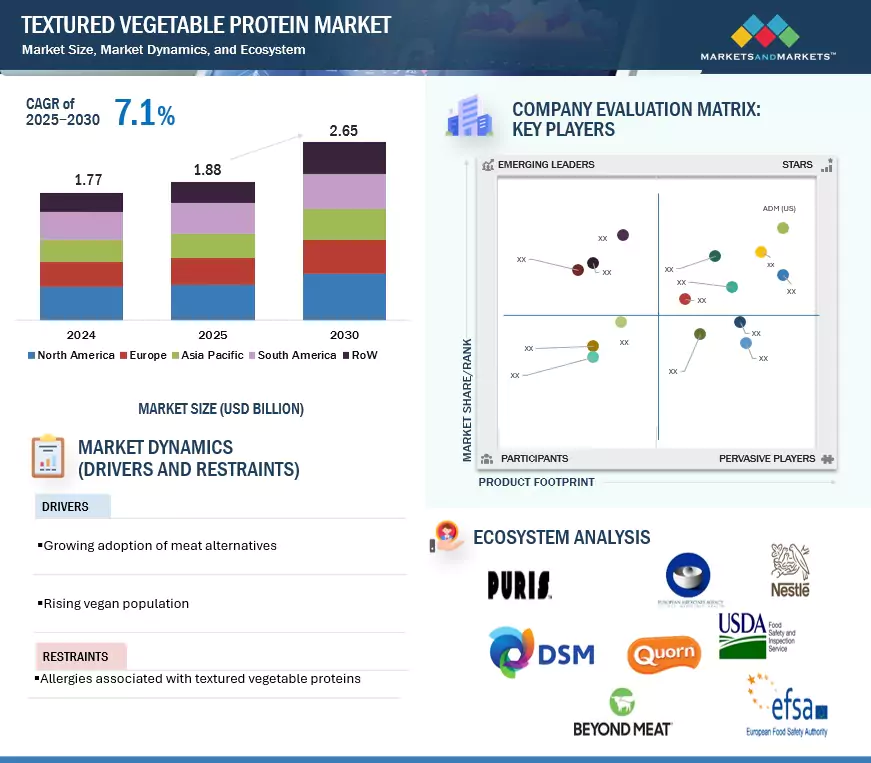
The global textured vegetable protein market will grow to USD 2.65 billion by 2030 from USD 1.88 billion in 2025, at a CAGR of 7.1% during the forecast period. The textured vegetable protein (TVP) market is one of the most dynamic food sectors growing globally, due to changes in consumer trends toward more plant-based diets as well as health consciousness and environmental sustainability. TVPs consist mainly of soybeans, peas, and wheat. These protein-rich, versatile ingredients are popular in meat analogs, snacks, bakery products, ready-to-eat meals, and other applications for deploying a meat substitute or extender within food applications. Its texture and mouthfeel mimic meat, making it a cost-effective, protein-rich, and nutritious alternative—a major contender in plant protein.
Textured Vegetable Protein Market

The market dynamics are shaped by various factors, including the rising adoption of vegan and vegetarian dietary patterns, advancements in food processing technologies, and a surging demand for sustainable, allergen-free alternative proteins. As the global population increasingly prioritizes health, ethical considerations, and environmental impact, the textured vegetable protein (TVP) market is poised for significant growth, particularly in emerging economies. This trajectory indicates a robust potential for market expansion in the coming years.

Download PDF Brochure: https://www.marketsandmarkets.com/pdfdownloadNew.asp?id=264440297

Organic nature segment will grow at significant rate during the forecast period.

The organic TVP sector is produced from plant-based sources, such as soy, pea, or wheat, grown without the application of synthetic pesticides and fertilizers or genetically modified organisms (GMOs). It targets health-conscious consumers, particularly those in developed regions, such as North America and Europe, with strong demand for clean-label, non-GMO, and sustainably sourced products. Organic TVP is used for premium applications for plant-based meat analogs, snacks, and ready-to-eat meals targeted at vegan, vegetarian, and flexitarian consumers who are conscious about ethical and environmental issues. Manufacturing of organic TVP follows stringent organic certification requirements, which contribute to transparency and traceability and thereby instill confidence among consumers.

Companies, such as Roquette and Archer Daniels Midland (ADM), are in the consolidation phase of organic TVP by promoting products, including NUTRALYS® organic pea protein and non-GMO soy-based TVP. The segment is benefiting from the organic food boom rooted in health, pesticide residue, and environmental concerns. Nevertheless, organic TVP production is hindered by high costs incurred for paltry organic crop yields and strict farming policies. This could indicate a premium price that acts against its availability in price-sensitive markets. The segment would continue to show rapid growth, with strong sustainability policies and consumer awareness in Europe and an emerging demand for organic food from the affluent consumer class in the Asia Pacific.

Granules type segment will likely capture a significant share during the forecast period

TVP granules are tiny, ground particles that look similar to minced meat, thus being the most flexible and versatile form in the market for TVP. They have a fine texture that easily rehydrates and can be incorporated into pasta sauces, taco fillings, ground meat substitutes, and processed food meat extenders. Granules are cost-effective to produce and store, making them an appealing choice for manufacturers targeting budget-conscious markets such as Asia Pacific and Latin America. They are also in demand in institutional environments, including schools and hospitals, where budget-friendly, high-protein ingredients are desired. The ease with which granules can be incorporated into various recipes, ranging from burgers to casseroles, makes them appealing to broad consumer segments. Nonetheless, their smaller dimension could restrict their application where a clear meat-like structure is needed. As a result of their cost-effectiveness, scalability, and large-scale use, granules dominate the TVP market with the largest share.

Request Sample pages: https://www.marketsandmarkets.com/requestsampleNew.asp?id=264440297

Asia Pacific region will hold significant market share during the forecast period

Asia Pacific textured vegetable protein (TVP) market is witnessing strong growth based on the rising health awareness, cultural food habits, and surging demand for sustainable, plant-based protein sources. Divided by nature into organic and conventional TVP, the market is portraying diversified consumer demands, with organic TVP appealing to premium, health-oriented segments, and conventional TVP leading as it is more affordable and has broad applications. The area, including China, India, Japan, and South Korea, is one of the largest growth centers for TVP, supported by massive populations, urbanization, and cultural preference for plant foods such as soy.

Key players in this market include ADM (US), Roquette Frères (France), Ingredion (US), dsm-firmenich (Netherlands), The Scoular Company (US), Beneo (Germany), International Flavors & Fragrances, Inc. (US), Cargill, Incorporated (US), MGP (US), and PURIS (US).

Global Omega-3 Market Size, Share & Competitive Landscape

marketsandmarkets logo

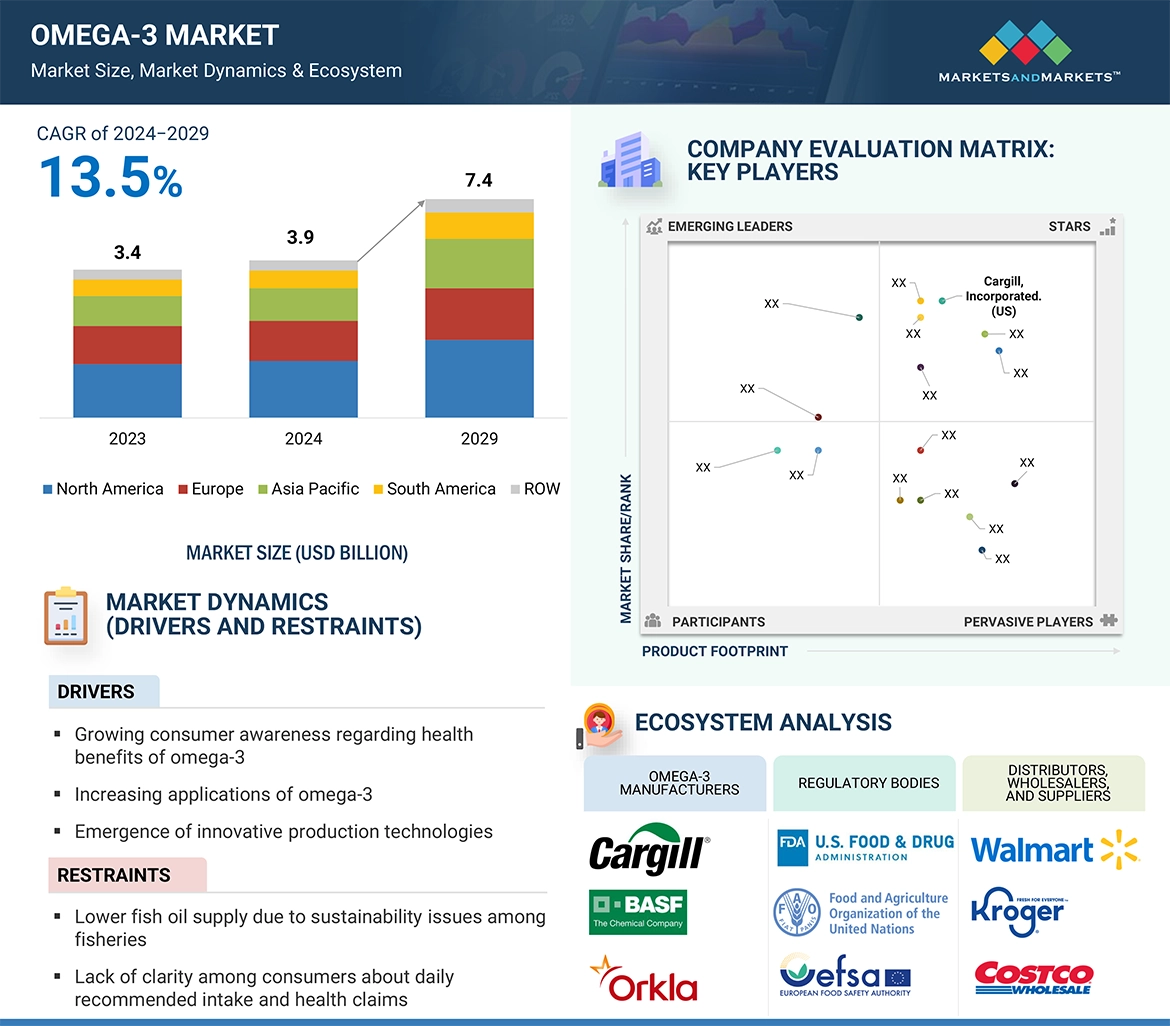
The global omega-3 market is expected to grow from USD 3.9 billion in 2024 to USD 7.4 billion by 2029, registering a robust CAGR of 13.5% during the forecast period. This impressive growth is driven by a shift in consumer preferences towards proactive health management, ethical consumption, and functional nutrition.

Evolving Sources: Beyond Traditional Fish Oil

While fish oil has long dominated the omega-3 market, sustainable and plant-based alternatives such as algae, flaxseed, and chia seed oils are gaining traction. These options appeal to health-conscious consumers with dietary restrictions, ethical concerns, or environmental awareness. In addition, emerging product formats—like micro-emulsified supplements and omega-3-fortified foods—are making consumption more convenient and appealing across broader age and lifestyle demographics.

Omega-3 Market

Download PDF Brochure: https://www.marketsandmarkets.com/pdfdownloadNew.asp?id=227

DHA Leads the Way in Omega-3 Types

Among the omega-3 types, docosahexaenoic acid (DHA) is expected to hold the largest market share. Widely recognized for its vital role in brain development, heart health, and vision support, DHA is increasingly incorporated into targeted applications such as prenatal supplements, infant formula, and functional foods. Technological advancements have improved extraction and processing methods, making DHA more accessible and versatile. Although DHA dominates, other omega-3 forms like EPA and ALA are also witnessing steady growth, contributing to a diverse and inclusive market.

Plant-Based Omega-3s: A Green Growth Trajectory

The plant-sourced omega-3 segment is set to maintain strong growth, powered by rising demand for vegan, vegetarian, and allergen-free alternatives. Algae-derived omega-3s and chia seed extracts are especially popular for their sustainability and potential health benefits. Supportive government policies promoting eco-friendly practices and the growing affordability of these alternatives further reinforce their market potential. Overcoming challenges such as bioavailability and consumer education will be crucial in unlocking the segment’s full potential.

North America: A Leading Market for Omega-3

North America currently holds the largest share of the omega-3 market, driven by widespread adoption of dietary supplements and increased awareness of omega-3’s health benefits. With strong consumer interest in heart, brain, and overall wellness, omega-3 supplements have become a staple in health routines across the region. In addition, incorporation of omega-3 in medical guidelines and wellness trends is fueling sustained demand.

Leading Omega-3 Companies:

 BASF SE (Germany), Cargill, Incorporated (US), dsm-firmenich (Netherlands), ADM (US), Kerry Group Plc (Ireland), Croda International Plc (UK), Orkla (Norway), Corbion (Netherlands), Pelagia AS (US), KD Pharma Group SA (Switzerland), GC Rieber (Norway), Cooke Aquaculture (Canada), AlgiSys Biosciences, Inc. (US), Golden Omega (Chile), AKER BIOMARINE (Norway), Polaris (France), Nordic Naturals (US), BTSA (Spain), Farbest Brands (US), KinOmega Biopharm Inc (China), Pharma Marine AS (Norway), Rimfrost AS (Norway), Algarithm (Canada), Solutex (Spain), Cellana Inc (US), Sinomega Biotech Engineering Co., Ltd. (China), AlgaeCytes (UK).

Meal Replacement Market Size, Share, Trends, and Growth Opportunities

marketsandmarkets logo

The global meal replacement market size was valued at USD 11.9 billion in 2021 and is expected to grow at a CAGR of 5.4% from 2021 to 2026. The revenue forecast for 2026 is projected to reach $15.5 billion. The base year for estimation is 2021, and the historical data spans from 2021 to 2026. The global meal replacement market has been influenced by changing consumer lifestyles, people are inclined toward meals that are full of nutrition, vitamins, minerals, and other dietary supplements. The growth in the number of health-conscious consumers across the globe is proliferating the demand for meal replacement products.

Meal Replacement Market

Download PDF Brochure: https://www.marketsandmarkets.com/pdfdownloadNew.asp?id=740

Powder segment is the largest market for meal replacement market globally.

Powders are consumed in the form of shakes with the addition of water or low-calorie milk. The rapid adoption of meal replacement powder as a part of weight management will drive the market for meal replacements products. Meal replacement powder is mixed with water or milk of choice (low-calorie, plant-based, low-fat, toned milk, flavored milk, among others) for consumption. These are available in various flavors, the most popular being chocolate, vanilla, and strawberry. Various companies are into the manufacturing of powder form meal replacement products such as Nestle and Huel. Nestle offers meal replacement chocolate cacao powder and has presence in various regions such as Middle East, Africa, North America, Asia Pacific and Europe.

Online segment is witnessing a high growth rate for the meal replacement products during the forecast period.

Online segment is witnessing a high growth rate owing to the rising smartphone and internet penetration, which is increasing the sales of online meal replacement products. COVID-19 has changed the purchasing pattern of the consumers globally. Consumers are now purchasing products online and choosing the health safety and convenience over the offline purchasing experience globally. In addition to this, increasing internet penetration in under developed countries will also drive the online segment growth.

Request Sample Pages: https://www.marketsandmarkets.com/requestsampleNew.asp?id=740

North America holds the largest market share for meal replacements products in 2021

In 2021, North America accounted for a market share of 29.28% in the global meal replacement market. The market in the region is highly diversified, and manufacturers are strongly focusing on the development of new meal replacement products to cater to the demand from end users. Although North America holds the largest share, the meal replacement market is matured and is projected to grow at a steady CAGR of 4.6% during the forecast period.

The key players in this market include Abbott Laboratories (US), Amway (US), Glanbia PLC (Ireland), Herbalife Nutrition (US), and Nestle (Switzerland).

Plant-Based Protein Market: Regional Analysis and Future Growth Potential

marketsandmarkets logo

The global plant-based protein market is projected to be valued at USD 23.89 billion by 2025 and is expected to grow to USD 34.97 billion by 2030, registering a compound annual growth rate (CAGR) of 7.9% from 2025 to 2030. This growth is driven by a rising shift toward vegan and flexitarian diets, along with increasing consumer demand for plant-based meat and dairy alternatives.

Plant-based Protein Market

Plant-based proteins have gained substantial popularity in recent years due to their high nutritional value, including a complete amino acid profile, high digestibility, and the ability to meet daily caloric and nutrient needs. Among the various sources, pea protein and other emerging alternatives have seen rapid growth, a trend expected to continue as more consumers look for soy-free options due to allergies and intolerances.

Download PDF Brochure: https://www.marketsandmarkets.com/pdfdownloadNew.asp?id=14715651

Rising Demand for Milled Protein Flour

The milled protein flour segment is projected to witness notable growth during the forecast period. These flours, derived from sources such as soy, peas, lentils, and chickpeas, are finely ground to maximize protein content, making them ideal for use in bakery items, snacks, and meat substitutes. Their versatility and ability to enhance both texture and nutrition appeal strongly to health-conscious consumers and manufacturers alike.

Dominance of Conventional Plant-Based Proteins

The conventional plant-based protein segment is expected to maintain the largest market share throughout the forecast period. These proteins—sourced from ingredients like soy, wheat, peas, and chickpeas—are widely used in the food and beverage industry, particularly in baked goods, snack products, and meat analogs.

Manufacturers often prefer conventional plant-based proteins due to their scalability and ease of sourcing, without the regulatory constraints of organic certification. Additionally, conventional crops typically contain higher protein concentrations, owing to the use of fertilizers and other synthetic agricultural inputs, making them a practical solution for meeting growing global demand.

Request Sample Pages: https://www.marketsandmarkets.com/requestsampleNew.asp?id=14715651

Europe’s Significant Role in Market Growth

Europe is anticipated to hold a substantial share of the plant-based protein market during the forecast period. The region has seen a rapid increase in veganism, driven by rising sustainability concerns, health awareness, and changing consumer preferences.

This shift has not only influenced individual consumption patterns but also transformed industrial production strategies, prompting companies to innovate and expand their plant-based offerings. As the demand for meat alternatives grows, Europe remains a key region for investment and expansion in the plant-based protein sector.

Leading Plant-based Protein Companies:

The report profiles key players such as Cargill, Incorporated (US), ADM (US), Kerry Group PLC (Ireland), International Flavors & Fragrances Inc. (US), Ingredion Incorporated (US), Wilmar International Ltd. (Singapore), Roquette Frères (France), Glanbia PLC (Ireland), DSM-Firmenich (Switzerland), AGT Food and Ingredients (Canada), Tate & Lyle (UK), Burcon (Canada), Emsland Group (Germany), PURIS (US), and COSUCRA (Belgium).

Industrial Enzymes Market Segmentation Analysis: Application, Type, and End-User Insights

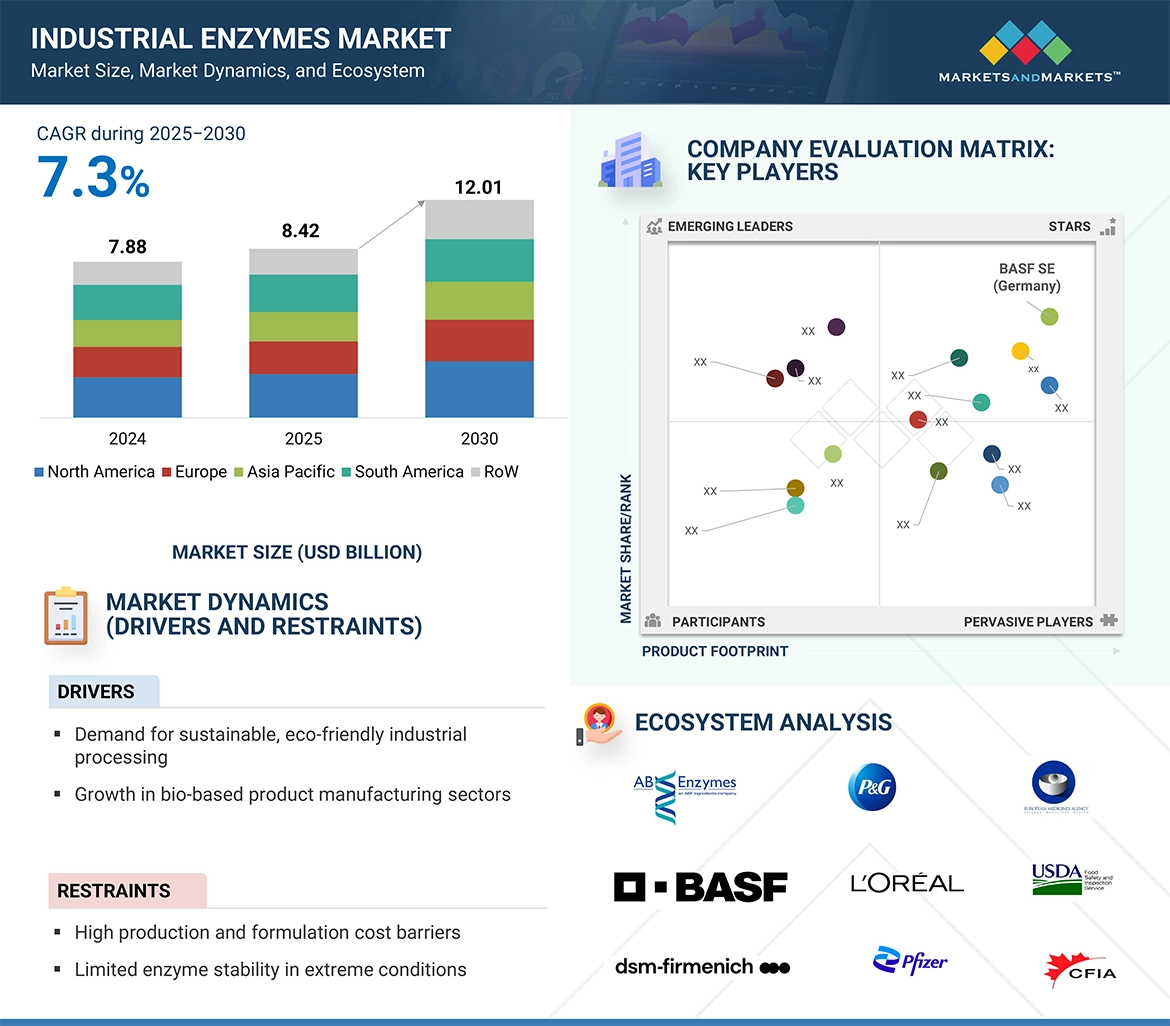
The global industrial enzymes market is projected to grow from USD 8.42 billion in 2025 to USD 12.01 billion by 2030, at a CAGR of 7.3%. This growth is underpinned by rising demand for sustainable, efficient, and cost-effective processing solutions across major industries. As manufacturers increasingly prioritize environmental sustainability, enzymes are gaining traction as bio-based alternatives to traditional chemical processes—offering benefits such as lower energy and water consumption and operation under mild conditions.

Industrial Enzymes Market

Key industries—including food & beverages, textiles, bioethanol, detergents, and wastewater treatment—are integrating enzyme technologies to enhance product yield, quality, and compliance with tightening regulations. Continued advancements in enzyme engineering, fermentation processes, and immobilization techniques are further expanding their industrial applicability, particularly in harsh operating environments.

The transition toward circular economy models and bio-based production, supported by proactive government initiatives across Europe, India, and Southeast Asia, is also accelerating the adoption of enzyme technologies. As clean manufacturing becomes a global priority, industrial enzymes are poised to play a critical role in next-generation industrial value chains.

Download PDF Brochure: https://www.marketsandmarkets.com/pdfdownloadNew.asp?id=237327836

Microbial Enzymes Lead the Market by Source

Microorganism-derived enzymes hold the largest market share, owing to their high efficiency, scalability, and adaptability. Enzymes sourced from bacteria (e.g., Bacillus) and fungi (e.g., Aspergillus) operate effectively across wide pH and temperature ranges, making them ideal for diverse applications.

Microbial fermentation enables cost-effective, large-scale enzyme production with consistent quality. Additionally, genetic modification allows tailored solutions with enhanced specificity and stability. Unlike enzymes from plant or animal origins, microbial enzymes face fewer supply chain disruptions and are easier to standardize—making them the preferred source for industrial use.

Wastewater Treatment: Fastest-Growing Application Segment

The wastewater treatment segment is emerging as the fastest-growing application, driven by increasing environmental regulations and the urgent need for sustainable water management. Enzymes offer a biodegradable and efficient solution for breaking down complex organic pollutants in municipal and industrial effluents—reducing the reliance on chemicals, minimizing sludge generation, and improving treatment performance.

With urbanization and industrialization increasing wastewater volume and complexity, enzyme-based treatment solutions offer targeted action, regulatory compliance, and operational efficiency. Breakthroughs in enzyme design have also enabled performance in challenging environmental conditions, broadening their applicability.

A notable advancement came in May 2025 from India’s NIT Rourkela, where researchers developed a solar-powered wastewater treatment system using reusable spherical concrete beads as photocatalysts. This innovation achieved 82% COD reduction and retained 90% efficiency across 15 cycles, offering a sustainable, low-cost solution for resource-limited settings. Published in the Journal of Water Processing Engineering, the innovation is patent-pending.

Request Sample Pages: https://www.marketsandmarkets.com/requestsampleNew.asp?id=237327836

Asia Pacific: Dominating the Regional Landscape

Asia Pacific currently leads the global industrial enzymes market, fueled by rapid industrialization, expanding manufacturing capabilities, and strong regulatory support for green technologies. Major economies like China, India, and Southeast Asia are witnessing significant enzyme adoption in food processing, textiles, biofuels, and water treatment.

Rising demand for processed foods and heightened environmental consciousness are accelerating this trend. Policies such as India’s BioE3 initiative (launched August 2024) are boosting domestic enzyme production and innovation. The region’s competitive advantages—such as low-cost inputs, skilled workforce, and pro-business environments—have attracted significant investments in enzyme R&D and manufacturing infrastructure.

In March 2024, Novus International, Inc. acquired BioResource International, Inc. (US)—strengthening its portfolio of enzyme products, expanding its innovation pipeline, and enhancing its position in the animal feed additives space.

Leading Industrial Enzymes Companies:

The report profiles key players such as BASF SE (Germany), International Flavors & Fragrances Inc. (US), DSM-Firmenich (Switzerland), Kerry Group plc. (Ireland), Dyadic International Inc (US), Advanced Enzyme Technologies (India), Aumgene Biosciences (India), Amano Enzyme Inc (Japan), Associated British Foods plc (England), Novozymes A/S (Denmark), F. Hoffmann-La Roche Ltd (Switzerland), Codexis, Inc. (US), Sanofi (France), Merck KGaA (Germany), and Adisseo (China).

Precision Fermentation Ingredients Market: Regional Insights and Competitive Landscape

marketsandmarkets logo

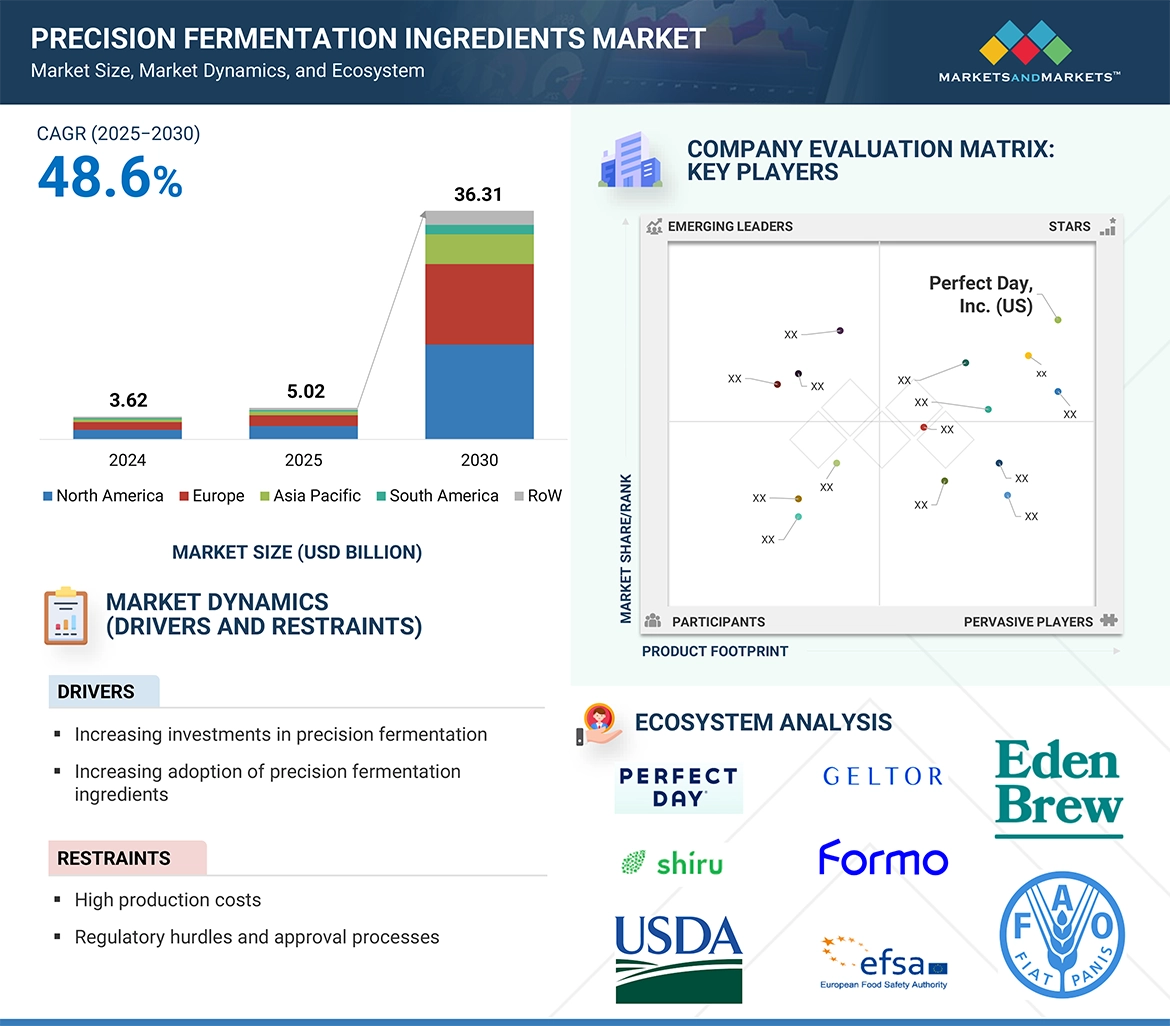
The precision fermentation ingredients market is projected to grow from USD 5.02 billion in 2025 to USD 36.31 billion by 2030, registering an impressive CAGR of 48.6% during the forecast period. This growth is largely driven by increasing demand for sustainable, animal-free alternatives across the food, pharmaceutical, and cosmetics sectors. Key market drivers include rising consumer awareness around ethical consumption, the need to reduce greenhouse gas emissions from traditional animal agriculture, and advancements in synthetic biology that enable scalable, cost-effective production of functional ingredients such as proteins, enzymes, and vitamins. Additionally, strong government support for novel food technologies and significant venture capital investment in food tech startups are propelling industry expansion.

Precision Fermentation Ingredients Market

Download PDF Brochure: https://www.marketsandmarkets.com/pdfdownloadNew.asp?id=30824914

Yeast Segment Dominates by Microbe Type

Within the microbe type segment, yeast holds a dominant position due to its well-established role in producing a wide range of functional ingredients. Its advantages include ease of genetic modification, high yield potential, and the ability to grow on low-cost substrates—making it an ideal organism for commercial-scale production. Yeast’s proven performance and stability have cemented its role in the manufacturing of precision-fermented proteins, enzymes, and vitamins for applications in the food, beverage, and pharmaceutical industries.

Whey & Casein Proteins Lead by Ingredient Type

By ingredient type, whey and casein proteins represent the leading segment in the market. These animal-identical dairy proteins offer exceptional nutritional value and functionality, making them ideal for applications such as dairy alternatives, sports nutrition, and functional food products. Precision fermentation enables the production of these proteins without the use of animals, providing a sustainable solution that appeals to environmentally conscious and lactose-intolerant consumers. Their versatility and alignment with the rising demand for clean-label, high-protein products continue to drive their market dominance.

Request Sample Pages: https://www.marketsandmarkets.com/requestsampleNew.asp?id=30824914

Europe Holds a Key Regional Market Share

Europe is expected to command a significant share of the global precision fermentation ingredients market, fueled by strong regulatory support for sustainable food innovation and a rapidly growing demand for plant-based and animal-free products. Countries like Germany, the Netherlands, and the UK have emerged as leading hubs for precision fermentation startups and research institutions.

The region’s well-developed food and beverage sector is increasingly adopting precision-fermented ingredients to meet evolving consumer preferences. Strategic collaborations between major food manufacturers and biotech firms, along with a broader push for clean-label formulations and climate goals, further bolster Europe’s leadership in this market.

Leading Precision Fermentation Ingredients Companies:

The report profiles key players such as Perfect Day, Inc. (US), Geltor (US), The EVERY Company (US), Impossible Foods Inc. (US), ImaginDairy Ltd. (Israel), Shiru, Inc. (US), FORMO FOODS GMBH (Germany), EDEN BREW (Australia), Change Foods (US), New Culture (US), Helaina Inc. (US), Naplasol (Belgium), Myco Technology, Inc. (US), Remilk Ltd. (Israel), and Triton Algae Innovations (US).

Juice Testing Market Trends, Growth, and Forecast 2025–2030

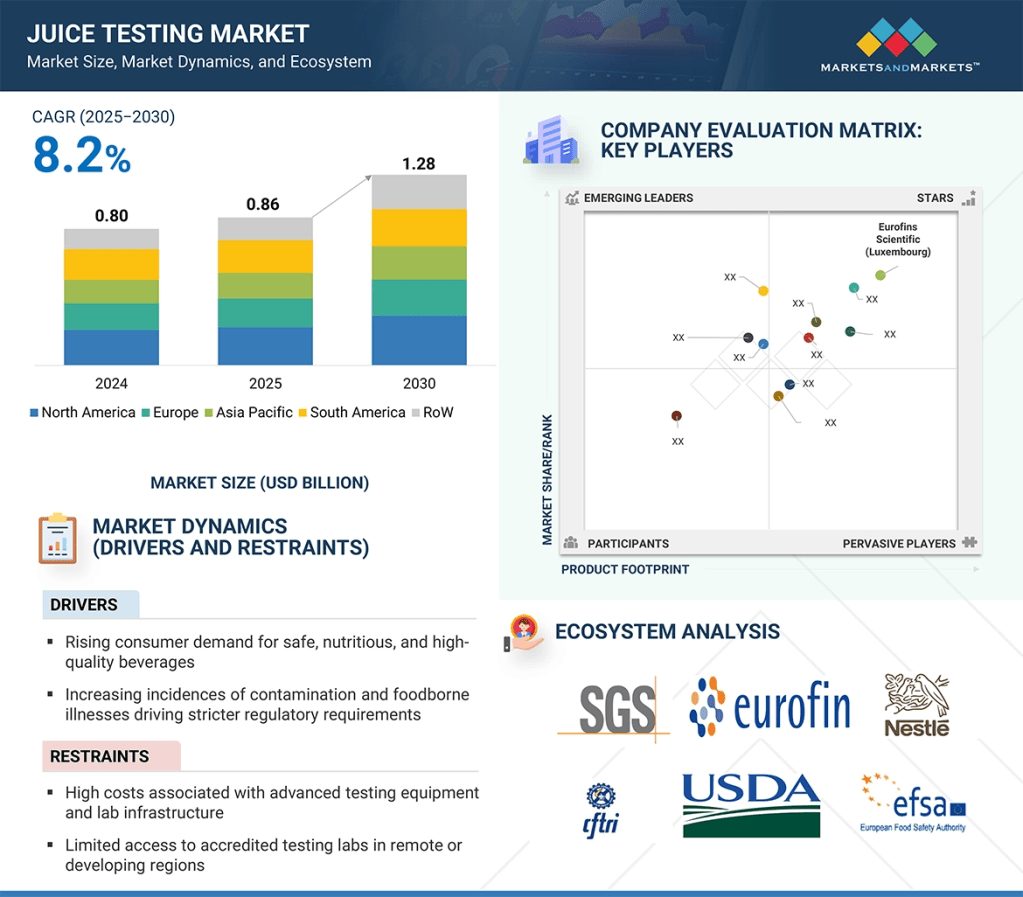
The global juice testing market is projected to grow from USD 0.86 billion in 2025 to USD 1.28 billion by 2030, reflecting a CAGR of 8.2% over the forecast period. This growth is fueled by heightened consumer awareness regarding food safety, a rise in contamination cases, and increasingly stringent international regulations. To ensure product integrity, safeguard public health, and protect brand reputation, juice manufacturers are increasingly investing in advanced testing technologies.

The growing diversity of juice products and continuous innovations have amplified the need for rigorous testing. With rising demand for natural and clean-label beverages, producers are under pressure to validate ingredient purity, processing methods, and safety standards through comprehensive testing across microbial, chemical, and sensory parameters.

By Test Type: Chemical Testing Dominates

Chemical testing accounts for a major share of the juice testing market due to its essential role in verifying composition, safety, and regulatory compliance. Manufacturers routinely conduct tests for acidity levels, preservatives, and contaminants to maintain product consistency and meet labeling standards. Increasingly strict global food safety regulations have accelerated the adoption of advanced methods such as chromatography and spectrometry, enabling precise detection of pesticides, heavy metals, and synthetic additives.

The surge in demand for clean-label and functional juices has led to greater investment in additive monitoring and quality control. Additionally, advancements in technology are streamlining workflows and reducing the cost per test, further strengthening the role of chemical testing in the market.

Download PDF Brochure: https://www.marketsandmarkets.com/pdfdownloadNew.asp?id=261087115

By Product Type: Mixed Juices Lead the Way

The mixed juice segment holds a substantial market share, driven by growing consumer interest in blended beverages that offer enhanced nutrition and innovative flavors. These products often combine multiple fruit and vegetable extracts, making them more complex to test. As a result, demand for advanced testing solutions that ensure ingredient accuracy, label compliance, and shelf-life stability continues to rise.

The popularity of clean-label, organic, and functional beverages—especially in urban centers—has further intensified the focus on quality assurance. Looking ahead, opportunities exist in rapid testing technologies, AI-driven analytics, and customized protocols tailored to plant-based formulations. Increasing regulatory scrutiny, particularly in export markets, is expected to further drive the adoption of testing practices within this segment.

By Region: Asia Pacific Emerges as the Fastest-Growing Market

The Asia Pacific region is poised for the fastest growth in the juice testing market. Factors such as growing health consciousness, rapid urbanization, and increased consumption of packaged juices are contributing to this surge. Countries including China, India, Japan, and South Korea are experiencing rising demand for both domestic and export-grade juice products, prompting manufacturers to implement stringent testing and quality control measures.

Supportive government policies, evolving food safety frameworks, and advancements in regional testing infrastructure are further enhancing the market landscape. As consumers across the region increasingly prioritize health and safety, demand for reliable juice testing solutions is expected to grow significantly.

Leading Juice Testing Companies:

The report profiles key players such as Eurofins Scientific (Luxembourg), SGS Société Générale de Surveillance SA (Switzerland), ALS (Australia), Intertek Group plc (UK), Mérieux NutriSciences Corporation (France), Certified Group (US), TÜV SÜD (Germany), Symbio Labs (Australia), Alfa Chemistry (US), FoodChain ID (US), AGQ Labs (Spain), Tentamus (Germany), LAUDA DR. R. WOBSER GMBH & CO. KG (Germany), Centre Testing International (China), and Agilent Technologies, Inc. (US).

Global Pet Dietary Supplements Market: Trends, Growth & Forecast (2025–2030)

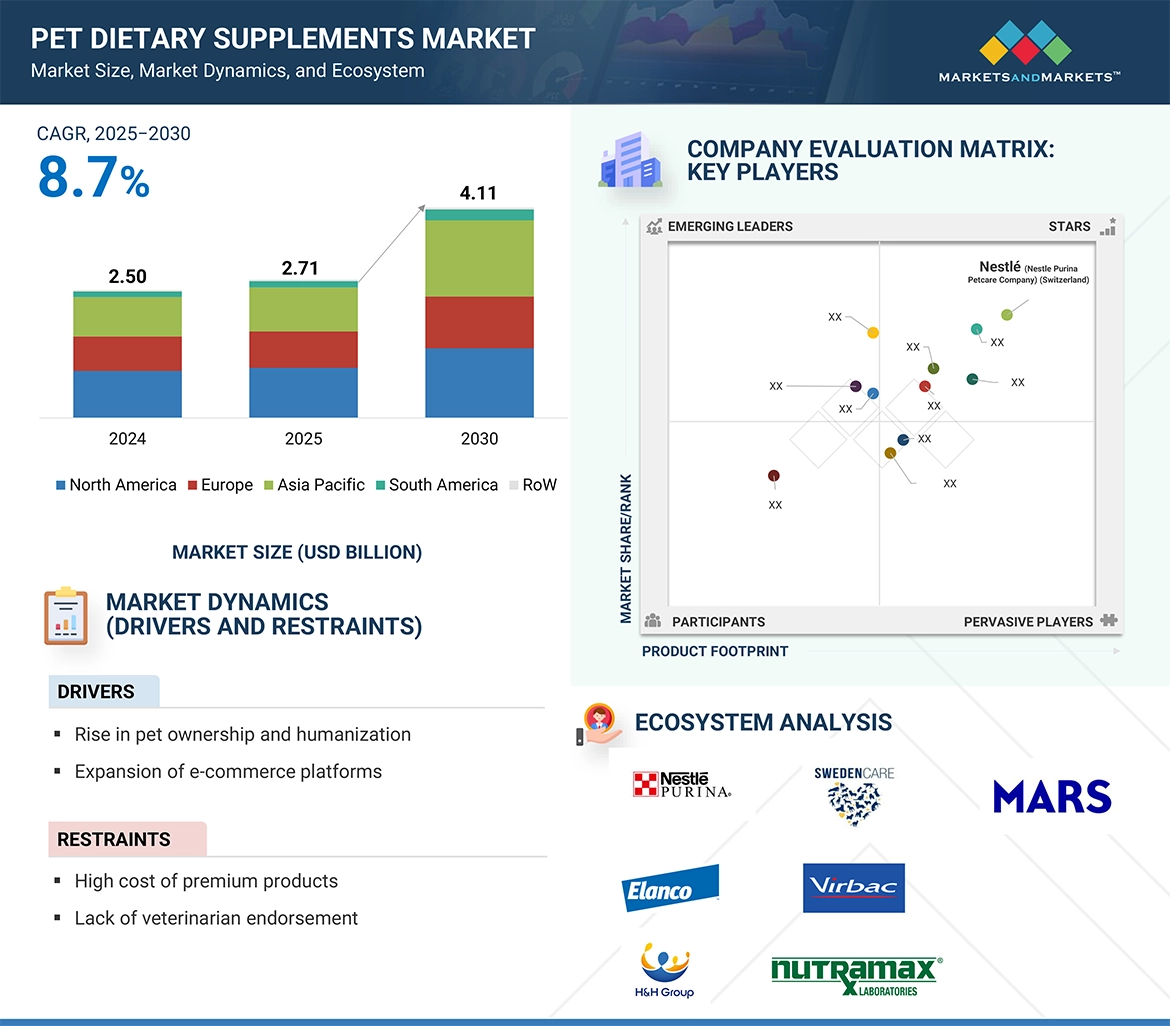
The global pet dietary supplements market is valued at USD 2.71 billion in 2025 and is expected to grow to USD 4.11 billion by 2030, registering a compound annual growth rate (CAGR) of 8.7% during the forecast period. While traditional supplements such as vitamins and minerals remain popular, there is a growing demand for products targeting specific health concerns in pets, including anxiety, stress, and weight management. This shift has fueled the development of specialized formulations tailored to the unique health needs of individual pets. From enhancing digestion and joint flexibility to strengthening immune systems, dietary supplements are becoming an essential component of daily pet care routines.

Pet Dietary Supplements Market

The growing accessibility of these supplements—via both brick-and-mortar and online retail channels—has further contributed to market expansion. In particular, e-commerce platforms have played a pivotal role by offering consumers the ability to compare products, read user reviews, and enjoy the convenience of home delivery. This ease of access has encouraged more pet owners to integrate supplements into their pets’ daily health regimen.

Download PDF Brochure: https://www.marketsandmarkets.com/pdfdownloadNew.asp?id=264349399

Cats Represent a Significant Share of the Pet Supplement Market

Among all pet categories, cats account for a notable portion of the pet dietary supplements market. Increased awareness of feline-specific nutritional needs has led to rising demand for supplements that support various aspects of cat health, including joint function, digestion, and skin and coat care. Pet owners are increasingly turning to these solutions to manage common feline conditions, driving growth in both product innovation and market size within this segment.

Omega-3 Fatty Acids Hold a Strong Position Among Supplement Types

Omega-3 fatty acids represent a key segment within the pet supplement market, known for their multifaceted health benefits. These essential fatty acids support immune function, which is especially crucial as pets age and become more vulnerable to illness. Their anti-inflammatory properties are highly effective in managing chronic conditions such as arthritis, joint pain, and skin issues, thereby improving comfort and mobility in aging pets.

In addition to internal health benefits, omega-3s play a major role in enhancing the appearance and health of pets’ skin and coats. Regular supplementation can reduce shedding, alleviate dry skin, and promote a shiny, well-conditioned coat. Pets suffering from allergies or skin sensitivities often experience relief from omega-3s, which help soothe inflammation and support skin repair. As a result, omega-3 supplements have become a go-to option for many pet owners seeking comprehensive wellness support for their animals.

Request Sample Pages: https://www.marketsandmarkets.com/requestsampleNew.asp?id=264349399

Europe Emerges as a Key Growth Region

The European market is poised for substantial growth, driven by a high level of awareness among pet owners regarding the health benefits of dietary supplements. Consumers in the region increasingly favor premium, natural, and organic products that align with broader lifestyle trends emphasizing wellness and sustainability. Supplements designed to address joint health, digestion, skin and coat care, and cognitive function are in particularly high demand.

Europe’s strong regulatory standards and widespread availability of certified, high-quality products have enhanced consumer trust in pet supplements. Pet owners are willing to invest in advanced formulations, including omega-3s, vitamins, and herbal blends, to support their pets’ longevity and overall well-being. The region’s dynamic mix of traditional offerings and cutting-edge products positions it as a leading force in the evolving global pet supplements market.

Leading Pet Dietary Supplements Companies:

The report profiles key players such as Nestlé (Nestlé Purina Petcare Company) (Switzerland), Elanco (US), H&H Group (Hong Kong), SwedenCare (Sweden), Mars, Incorporated (US), Nutramax Laboratories (US), Virbac (France), General Mills Inc. (US), Zoetis Services LLC (US), Wellness Pet, LLC (US), NOW Foods (US), Vetoquinol (France), Affinity Petcare S.A (Spain), FoodScience (US), and Thorne Vet (US).

Beauty Supplements Market Growth: Key Drivers and Insights

logo1

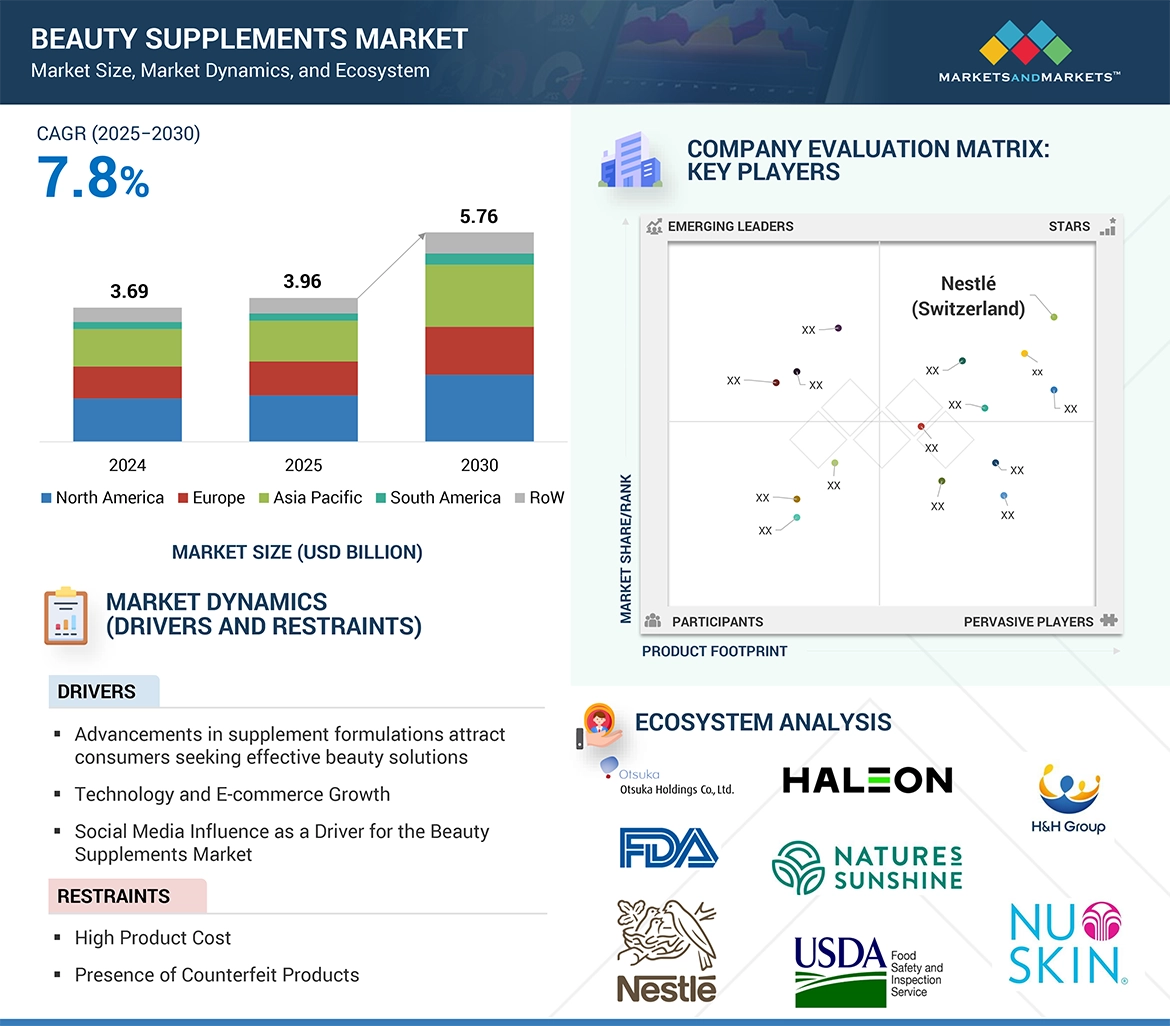
The global beauty supplements market is projected to grow from USD 3.96 billion in 2025 to USD 5.76 billion by 2030, registering a CAGR of 7.8% during this period. This growth is driven by increasing consumer awareness regarding skin, hair, and overall wellness. The rising preference for natural and plant-based products has fueled demand for supplements that support hydration, anti-aging, and hair health. Additionally, social media influence and the shift toward holistic beauty solutions have encouraged consumers to seek products rich in collagen alternatives, antioxidants, and essential vitamins. With sustainability and ethical sourcing becoming priorities, beauty supplements are evolving to meet clean-label and cruelty-free standards, making them an integral part of modern skincare and wellness routines.

Beauty Supplements Market

Download PDF Brochure: https://www.marketsandmarkets.com/pdfdownloadNew.asp?id=165507335

Powder Segment Dominates the Beauty Supplements Market

Powdered beauty supplements hold a significant market share due to their high bioavailability, customizable dosing, and ease of consumption. They dissolve quickly in liquids compared to tablets or capsules, leading to better absorption and effectiveness. This allows for higher concentrations of key ingredients like collagen, biotin, and antioxidants, which require substantial doses to deliver noticeable results. The flexibility of powdered supplements, which can be mixed with water, smoothies, or other beverages, makes them an appealing choice for consumers. Their adaptability is especially beneficial for macronutrient-based products requiring larger servings and rapid absorption, catering to individuals who struggle with swallowing pills. However, formulation considerations such as flavor, added sugars, and consumer preferences must be carefully addressed. Despite higher production costs, powdered supplements remain a preferred option for those seeking effective and convenient beauty solutions.

Omega-3 Fatty Acids Lead in the Ingredient Segment

Omega-3 fatty acids hold a significant share in the beauty supplements market, driven by growing health awareness, a shift toward plant-based diets, and advancements in food technology. The rising demand for omega-3-enriched beauty and health supplements has fueled the growth of the nutraceuticals sector. According to the Global Organization for EPA and DHA Omega-3s (GOED), Japan, India, and South Korea are leading innovators in omega-3 product development in Asia. Among 318 newly launched products, South Korea ranked highest, followed by India and Japan. Unlike Europe, where omega-3 supplements primarily target heart, brain, and eye health, Asian markets emphasize immune support, skin health, and weight management. Notably, Japan has experienced a surge in krill oil-based omega-3 products for skin health. Additionally, sustainability claims and transparency regarding EPA and DHA levels are becoming increasingly important in omega-3 product marketing.

Request Sample Pages: https://www.marketsandmarkets.com/requestsampleNew.asp?id=165507335

Europe Holds a Significant Share in the Beauty Supplements Market

The European beauty supplements market benefits from stringent regulatory frameworks that enhance consumer confidence and drive market expansion. The European Union (EU) enforces strict guidelines on the production, marketing, and sale of beauty supplements to ensure product safety, quality, and efficacy. Consumers, increasingly concerned about product ingredients and authenticity, rely on these regulations for assurance. For instance, the EU’s Health Claims Regulation mandates that all health and beauty-related claims be scientifically validated, ensuring that manufacturers provide substantiated evidence for their products. While such regulations prevent misleading claims, they also encourage innovation by compelling brands to develop scientifically backed formulations to remain competitive. This regulatory landscape guarantees that consumers have access to high-quality and reliable beauty supplements, fostering trust and driving adoption in the market.

Top Beauty Supplements Companies:

The report profiles key players such as Amway Corp (US), Nestlé (Switzerlands), Nu Skin (US), Meiji Holdings Co., Ltd. (Japan), Herbalife International of America, Inc. (US), Unilever (UK), H&H Group (Hong Kong), Nature’s Sunshine Products Inc (US), Otsuka Holdings Co., Ltd (Japan), Haleon Group of Companies (UK), Vitaco (New Zealand), Vitabiotics Ltd (UK), Merz Consumer Care GmbH (Germany), Nordic Naturals  (US), Kinohimitsu (Sinapore).

Food and Beverage Industry Pumps Market: Growth, Demand & Innovations

logo1

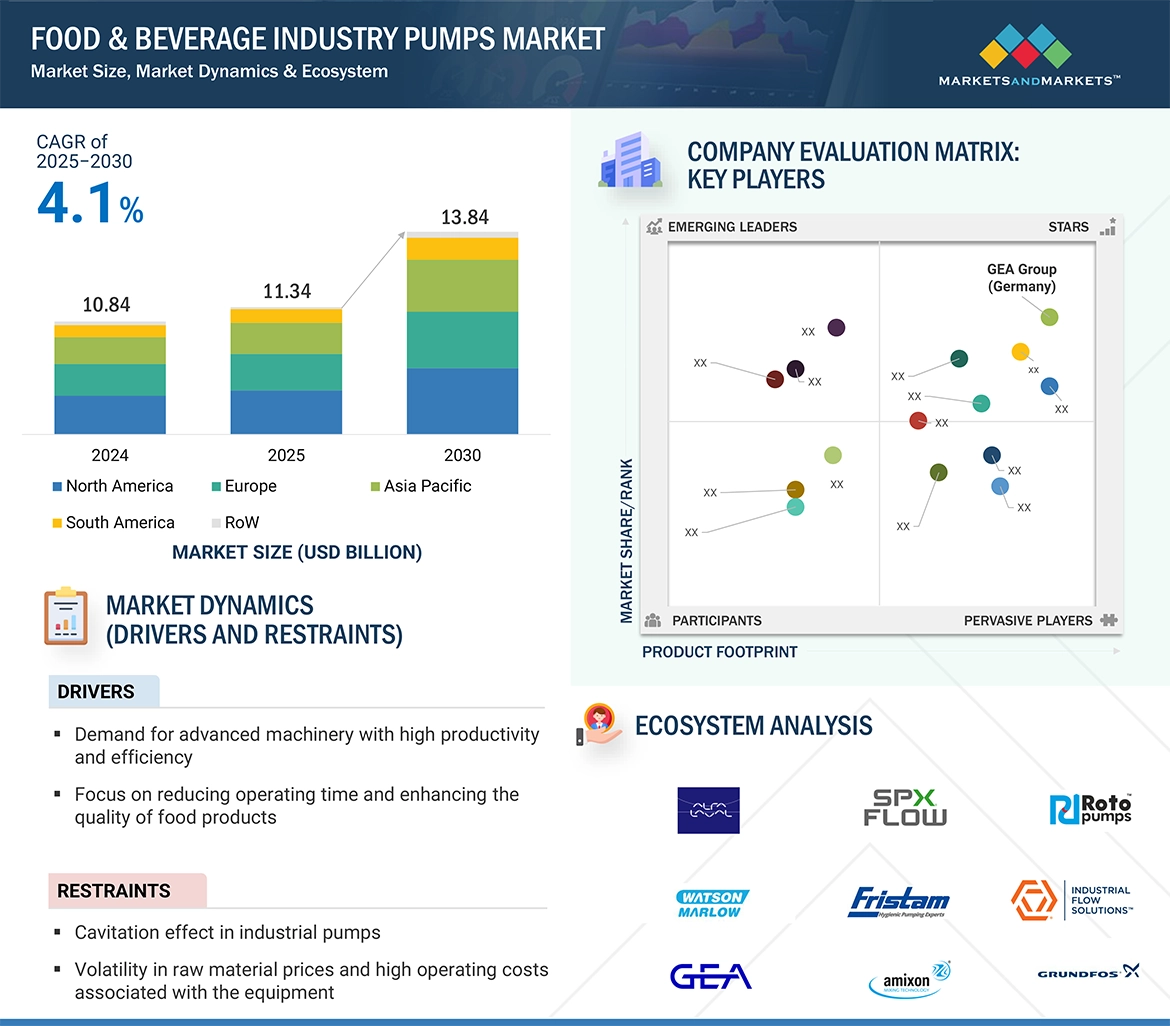
The food and beverage industry pumps market is projected to grow from USD 11.34 billion in 2025 to USD 13.84 billion by 2030, at a CAGR of 4.1% during the forecast period. This growth is driven by the increasing consumer demand for diverse food products, including plant-based and specialty items, necessitating advanced pumping systems capable of handling various ingredient viscosities and properties. These systems ensure efficient processing while maintaining product quality. Additionally, rising concerns over hygiene and contamination control in food processing are accelerating investments in sanitary pumps. Innovations in touch-free cleaning, bacteria-resistant materials, and high-standard hygiene solutions are shaping the competitive landscape of the industry.

Food & Beverage Industry Pumps Market

Food & Beverage Industry Pumps Market Trends

The food & beverage industry pumps market is witnessing significant growth, driven by technological advancements, regulatory requirements, and evolving consumer demands. Below are some key trends shaping the market:

  • Increased Demand for Hygienic and Sanitary Pumps: Food safety regulations and consumer preferences for high-quality, contamination-free food products are pushing manufacturers to invest in hygienic and sanitary pump solutions. Stainless steel, CIP (Clean-in-Place), and SIP (Sterilize-in-Place) pumps are becoming the industry standard.
  • Growth in the Plant-Based and Specialty Food Segments: The rising demand for plant-based, organic, and specialty foods has led to the development of pumps that can handle viscous and delicate ingredients without compromising product integrity. This includes specialized pumps for dairy alternatives, protein-based beverages, and natural fruit fillings.
  • Adoption of Smart Pump Technologies: The integration of IoT (Internet of Things), automation, and AI is revolutionizing pump systems. Smart pumps with real-time monitoring, predictive maintenance, and energy-efficient operations are gaining traction, reducing downtime and operational costs for food manufacturers.
  • Focus on Energy-Efficient and Sustainable Solutions: Manufacturers are prioritizing eco-friendly and energy-efficient pumping systems to reduce their carbon footprint. Pumps with variable frequency drives (VFDs) and optimized energy consumption are becoming essential for sustainability goals in the food & beverage industry.
  • Expansion of Cold Chain and Dairy Processing: With the rising demand for dairy, frozen foods, and cold beverages, the market for high-performance and temperature-resistant pumps is growing. These pumps are designed to handle refrigerated and frozen products efficiently.
  • Rising Investments in Food & Beverage Infrastructure: The expansion of food processing facilities and beverage production plants worldwide is driving the demand for advanced pumping solutions. Developing markets, especially in Asia-Pacific and Latin America, are witnessing increased investments in modern food processing systems.

Download PDF Brochure: https://www.marketsandmarkets.com/pdfdownloadNew.asp?id=211704387

Alcoholic Beverages has a significant share within the Application of the food & beverage industry pumps market.

The global demand for alcoholic beverages is rising, driving the need for highly efficient production processes. The manufacturing of beer, wine, spirits, and ready-to-drink cocktails requires large-scale fluid transfer across various stages, including fermentation, filtration, and bottling. Pumps play a critical role in handling different viscosities, alcohol concentrations, and carbonation levels, ensuring the safe and contamination-free movement of liquids.

For example, in beer production, pumps transfer wort through multiple processing stages, including filtration. In winemaking, they facilitate the gentle transfer of wine between barrels while leaving sediment behind. The expansion of craft breweries, microbreweries, and premium spirits brands has further increased the demand for specialized pump designs catering to both large-scale and artisanal production.

Additionally, stringent food safety and hygiene regulations in the alcoholic beverage industry are driving the adoption of sanitation-focused pump solutions. These pumps are designed for easy cleaning and maintenance while ensuring compliance with industry standards. The combination of increasing demand, operational efficiency, and regulatory requirements is fueling the growth of the pump market within the alcoholic beverage sector.

North America Dominates the food and beverage industry pumps market share.

Some key names such as JBT (US), Graco Inc. (US), Wastecorp Pumps (US), Sonic Corporation (US), Unibloc Hygienic Technologies US LLC (US), Ampco Pumps Company (US), Industrial Flow Solutions (US) and SPX FLOW (US)et al., all manufacture a plethora of pumps that meet diverse production techniques across the countries. They manufacture pumps that will handle all liquids and ingredients while assuring quality, hygiene, and performance in the pumping and processing of foods and drinks.

The U.S. houses the largest number of food and beverage manufacturing facilities. According to the reports from the U.S. Department of Agriculture in January 2025, these establishments accounted for 16.8 % of total manufacturing sales and 15.4 % of manufacturing employment in 2021. The largest group among these industries is meat processing, whose sales accounted for 26.2% in 2021, followed by dairy articles such as cheese and condensed milk (12.8%), other foods (12.4%), beverages (11.3%), and grains and oilseeds (10.4%). Meat processing, including livestock and poultry slaughter, remains the major contributor to pump demand because of the high volume involved and the complexity of processing in factories.

The boosting demand for advanced pumping systems for hygienic and contamination-free processing is an inevitable hallmark of an expanding food manufacturing sector and the increasing rigors of food safety standards in North America from time to time, along with a growing production capacity. So, the market share of the region remains huge and increasing within the food & beverage industry pumps segment.

Top 10 Companies in the Food & Beverage Industry Pumps Market

  • GEA Group (Germany)
  • ALFA LAVAL (Germany)
  • KSB SE & Co. KGaA (Germany)
  • JBT (US)
  • Atlas Copco (Sweden)
  • Graco Inc. (US)
  • Grundfos Holding A/S (Denmark)
  • Verder Liquids (Netherlands)
  • PCM (France)
  • Roto Pumps Limited (India)