Global Outlook: Key Players in the Specialty Food Ingredients Market

The specialty food ingredients market is estimated at USD 179.8 billion in 2023; it is projected to grow at a CAGR of 6.0% to reach USD 240.9 billion by 2028. Due to population expansion, specialty food ingredients are experiencing huge demand across the world. Some of the key factors boosting demand for specialty food ingredients are the introduction of new products, increasing consumer preference, and the acceptance of new trends across the globe.

Download PDF brochure: https://www.marketsandmarkets.com/pdfdownloadNew.asp?id=252775011

Specialty Food Ingredients Market Size Estimation

Both the top-down and bottom-up approaches were used to estimate and validate the total size of the specialty food ingredients market. These approaches were also used extensively to determine the size of various subsegments in the market. The research methodology used to estimate the market size includes the following details:

  • The key players in the industry and the overall markets were identified through extensive secondary research.
  • The revenues of the major specialty food ingredient players were determined through primary and secondary research, which were used as the basis for market sizing and estimation.
  • All percentage shares, splits, and breakdowns were determined using secondary sources and verified through primary sources.
  • All macroeconomic and microeconomic factors affecting the growth of the specialty food ingredients market were considered while estimating the market size.
  • All possible parameters that affect the market covered in this research study were accounted for, viewed in extensive detail, verified through primary research, and analyzed to obtain final quantitative and qualitative data.

Food Flavors is one of the Ingredient Types Which Accounted Highest Specialty Food Ingredients Market Share in North America

Food flavors are a dominant ingredient type that has accounted for the highest market share in North America’s specialty food ingredients industry. Several driving factors that influence the region’s need for food flavors can be attributed to its dominance.

Manufacturers operate constantly to set themselves apart from the competition and satisfy shifting consumer tastes. Food flavors offer an essential channel for innovation, enabling producers to launch novel and alluring flavor profiles that pique consumer interest. The demand for food flavors in North America has been encouraged by this need for unique and unusual flavors, which has helped to increase their market share.

Speak to Analyst: https://www.marketsandmarkets.com/speaktoanalystNew.asp?id=252775011

India is One of the Fastest Growing Markets for Specialty Food Ingredients in Asia Pacific

India is one of the most populated nations in the world due to its enormous population. Due to the large consumer base, there is a strong need for a variety of specialty food ingredients market to accommodate varying tastes and preferences. Due to the nation’s economic expansion, the middle class is now larger and has more disposable money. The demand for specialty food components is consequently driven by the rise in interest in premium and specialty food items. There is an increasing need for useful and healthier food options due to consumers increased health consciousness. Specialty food ingredients with distinctive health advantages are becoming more and more popular in the Asia Pacific region. Moreover, the Indian government is making every effort to increase investments in the food processing sector through the Ministry of Food Processing Industries (MoFPI). The government of India has allocated Rs 4,600 crore to the umbrella PMKSY plan till March 2026. One of the largest sectors in India, food processing contributes 32% of the nation’s total food market and is rated fifth in terms of production, consumption, export, and projected growth.


The Growing Popularity of Plant-Based Proteins: A Global Perspective

The plant-based protein market size is estimated at USD 13.3 billion in 2023 and is projected to reach USD 19.2 billion by 2028, at a CAGR of 7.7% from 2023 to 2028. Plant-based proteins have surged in popularity thanks to their diverse range of nutritional benefits, attracting individuals in search of a healthier and more sustainable protein source.

Download PDF brochure: https://www.marketsandmarkets.com/pdfdownloadNew.asp?id=14715651

Here are some Plant-based Protein Market Trends:

  • Rising Consumer Demand: Increasing awareness of health and environmental concerns has led to a growing demand for plant-based protein alternatives. Consumers are seeking plant-based options as part of a healthier and more sustainable lifestyle.
  • Product Innovation: The market has seen continuous innovation in product development, with companies creating a wide range of plant-based protein products. This includes plant-based burgers, sausages, dairy alternatives, and protein supplements.
  • Expansion of Product Offerings: Many companies are expanding their plant-based product lines to cater to diverse consumer preferences. This includes the use of various plant protein sources such as peas, soy, hemp, rice, and more.
  • Retail Penetration: Plant-based protein products are increasingly available in mainstream grocery stores and supermarkets, indicating a shift from niche markets to mainstream acceptance. This increased accessibility has contributed to the market’s growth.
  • Investment and Acquisitions: Large food companies are investing in or acquiring plant-based protein startups, reflecting the industry’s potential. This has also led to increased research and development in the sector.

Plant-Based Protein Market Forecast:

  • Continued Growth: Many industry analysts predicted that the plant-based protein market would continue to experience significant growth in the coming years. This was driven by increasing consumer awareness of health, sustainability, and ethical concerns related to traditional animal-based protein sources.
  • Expanding Product Range: The plant-based protein market was expected to witness a diversification of product offerings, including innovative plant-based alternatives to traditional animal-based products. This includes burgers, sausages, dairy substitutes, and more.
  • Investment and M&A Activity: The trend of major food companies investing in or acquiring plant-based protein startups was anticipated to continue. This influx of capital was expected to drive further innovation and expansion in the industry.
  • Market Penetration: Plant-based protein products were anticipated to become more widely available in mainstream grocery stores and restaurants, indicating a shift from a niche market to broader consumer acceptance.
  • Technological Advancements: Ongoing advancements in food technology and processing methods were expected to improve the taste and texture of plant-based protein products, making them more appealing to a wider audience.

Request Sample Pages: https://www.marketsandmarkets.com/requestsampleNew.asp?id=14715651

The Asia Pacific is estimated to grow at the fastest CAGR in the plant-based protein market.

The demand for fortified nutritional food and beverage products is on the rise in the Asia Pacific region due to busy lifestyles and increased disposable incomes. The use of dairy alternatives is expected to grow rapidly in response to consumer preferences. With greater economic power among consumers in the region, there is an increased consumption of affordable and abundant products like soymilk. Food manufacturers are introducing various forms of soymilk to meet the growing demand for healthy beverages, including pasteurized soymilk, as dairy alternatives, and unique flavored soy drinks.

This report focuses on major countries in the region, including Japan, Australia, China, and India. Key market players in this area include Sanitarium Health & Wellbeing Company and Freedom Foods Group Ltd. in Australia, Vitasoy International Holdings Limited in Hong Kong, and Purcharest in Australia. The dairy alternatives industry in the Asia Pacific region is experiencing significant growth, driven by changes in consumer lifestyles. The market is evolving rapidly due to urbanization, dietary diversification, and increased foreign direct investment in the food sector. Additionally, rising incomes, greater purchasing power, a growing middle-class population, heightened consumer awareness of health and fitness, and increased demand for nutritional and healthy products are creating promising opportunities for growth and diversification in the region’s food sector.

Therefore, major players in the region, such as ADM (US), Cargill, Incorporated (US), International Flavors & Fragrances Inc. (US), Ingredion (US), Roquette Frères (France), are trying their best to tap the region’s potential by expanding and diversifying plant-based protein portfolios to meet the consumer’s demand.

Unleashing the Potential: A Deep Dive into the Global Pulse Ingredients Market

Introduction:

The global pulse ingredients market is witnessing remarkable growth, with an estimated valuation of USD 20.7 billion in 2022. Projections indicate a substantial uptick, reaching USD 25.9 billion by 2027, with a compound annual growth rate (CAGR) of 4.6% during the forecast period. This article explores the dynamics, trends, and key players shaping this burgeoning market.

Download PDF brochure: https://www.marketsandmarkets.com/pdfdownloadNew.asp?id=246427813

Understanding Pulse Ingredients:

Pulse ingredients, derived from peas, lentils, and chickpeas, are finely powdered materials crafted without the use of processing aids or chemical compounds. These natural, food-grade products play a crucial role in enhancing the nutritional value of various foods without compromising flavor, aroma, or color properties. They are integral components in both human and animal feed products, including pet foods and aquaculture.

Rising Demand for Protein-Rich Foods:

The surge in demand for protein-rich food products is a prevailing trend among consumers, especially those conscious of their diets and engaged in weight management. Pulses, recognized as rich sources of proteins, have fueled the market for pulse-derived proteins. Notably, there is a growing preference for plant-based proteins in response to the high cost of animal-sourced proteins, leading to an increased demand for alternative plant-based protein-rich food products.

Chickpeas Leading the Growth Charge:

Among pulse ingredients, the chickpea segment is poised to experience the highest CAGR during the forecast period. Renowned for being excellent sources of proteins, vitamins, minerals, and dietary fiber, chickpeas have a significant presence in global production. India, in particular, stood out as the largest producer of chickpeas in 2019, contributing to approximately 70% of the global supply. The cultivation of distinct types, such as Kabuli and Desi, further adds versatility to chickpea applications in various food and beverage segments.

Asia-Pacific Emerging as a Powerhouse:

The Asia-Pacific region is projected to emerge as the largest market for pulse ingredients. Comprising countries like India, China, Australia & New Zealand, and Japan, this region accounted for 49% of the global pulse production in 2018. India, with its substantial contributions, plays a pivotal role, being both a major producer and consumer of pulses globally. Factors such as population growth, increased disposable income, and a rising interest in functional ingredients are driving the robust sales of pulse ingredients in this region.

Make an Inquiry: https://www.marketsandmarkets.com/Enquiry_Before_BuyingNew.asp?id=246427813

Key Players in the Pulse Ingredients Market:

Leading the charge in this dynamic market are key players such as ADM, Roquette Frères, Ingredion, The Scoular Company, Axiom Foods, Inc., PURIS, Emsland Group, AGT Food and Ingredients, Batory Foods, Vestkron Milling M/S, and Dakota Ingredients.

Conclusion:

As the global pulse ingredients market continues to expand, driven by the rising demand for protein-rich foods and the versatility of chickpea applications, the Asia-Pacific region stands out as a key player. The market’s trajectory presents exciting opportunities for both industry players and consumers alike, highlighting the importance of pulse ingredients in shaping the future of the food and feed industries.

Growth Trends and Opportunities in the Food Anti-Caking Agents Market

Introduction:

The food anti-caking agents market is poised for substantial growth, with a projected Compound Annual Growth Rate (CAGR) of 5.5% between 2020 and 2025. Anticipated to reach $1,074 million by 2025, this marks a significant increase from the estimated $822 million in 2020. This article delves into the factors driving this growth, the challenges faced, and the impact on market demands during the forecast period. Additionally, it explores emerging opportunities within the market.

Download PDF brochure: https://www.marketsandmarkets.com/pdfdownloadNew.asp?id=3259107

Market Drivers:

Several factors contribute to the burgeoning food anti-caking agents market. The widespread application of these agents across diverse sectors, the need for varied functionalities in a range of food products, concerns about food safety and hygiene in manufacturing, and the escalating demand for high-quality food products with extended shelf life collectively drive market growth.

Silicon Dioxide Segment:

Within the market, the silicon dioxide sub-segment is projected to experience the fastest growth. Silicon dioxide is a widely accepted anti-caking agent, available in both natural and synthetic forms. Natural sources include sand, quartz, rice husk powder, leafy green vegetables, beets, bell peppers, brown rice, oats, and alfalfa. Regulatory approval and consumer acceptance are pivotal factors fueling the growth of this segment.

Application in Seasonings and Condiments:

The seasonings and condiments sub-segment is expected to dominate the market share by application. Increasing consumer demand for convenient, high-quality food with a longer shelf life, driven by changing lifestyles and hectic schedules, contributes to this growth. Factors such as population expansion, emphasis on hygiene in food manufacturing, food safety concerns, and the ease of storage, packaging, and transportation of powdery food products further boost the global demand for food anti-caking agents.

Regional Dominance – North America:

North America is anticipated to be the largest market for food anti-caking agents. This dominance is attributed to the region’s high consumption levels and the consistently growing demand for a diverse range of food ingredients, particularly those with hygroscopic properties, and premixes across various food products and applications.

Make an Inquiry: https://www.marketsandmarkets.com/Enquiry_Before_BuyingNew.asp?id=3259107

Conclusion:

The food anti-caking agents market is experiencing robust growth, driven by diverse applications, increased emphasis on food safety, and the demand for high-quality products with extended shelf life. The silicon dioxide sub-segment, particularly from natural sources, is a key contributor to this growth. As North America takes the lead in market share, the industry presents promising opportunities for stakeholders and investors alike.

The Rising Tide: Exploring the Growth Trajectory of the Hydrocolloids Market

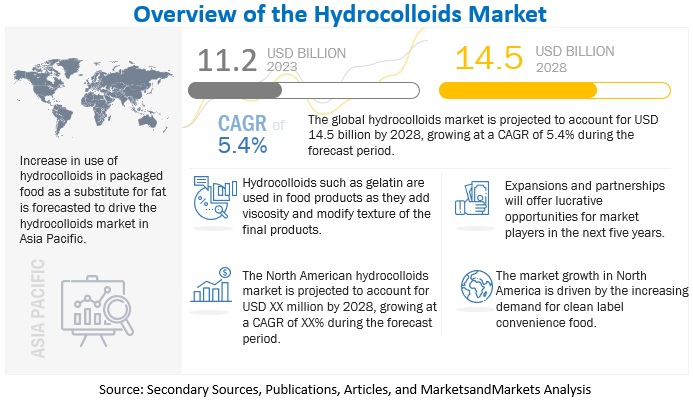
The hydrocolloids market size is poised for substantial growth, with a projected Compound Annual Growth Rate (CAGR) of 5.4% between 2023 and 2028. The market is expected to reach a value of $14.5 billion by 2028, up from a projected $11.2 billion in 2023. Hydrocolloids, recognized for their multifunctionality, find extensive use in the food sector as additives serving various roles such as gelling agent, thickener, emulsifier, fat substitute, stabilizer, flocculating agent, clarifying agent, whipping agent, and clouding agent.

Download PDF brochure: https://www.marketsandmarkets.com/pdfdownloadNew.asp?id=1231

Drivers:

The multifunctionality of hydrocolloids positions them as versatile additives with a broad spectrum of applications. In food formulations, hydrocolloids are commonly used to enhance quality and extend shelf life. These ingredients play a crucial role in diverse food products, including soups, salad dressings, gravies, sauces, jellies, and more. Moreover, hydrocolloids contribute to the improvement of food texture and moisture retention in the baking sector, thereby enhancing overall product quality during storage.

Opportunities:

Emerging markets in Asia Pacific and Africa present significant opportunities for the hydrocolloids market. The escalating global population is placing increased pressure on the production, exploitation, and preservation of resources. Hydrocolloids, produced on a large scale in these regions, can aid small and medium-scale food and beverage manufacturers in integrating clean label ingredients. This, in turn, is expected to contribute to the expansion of the hydrocolloids market.

Type Insights:

The gelatin segment is projected to dominate the hydrocolloids market, although there is a notable shift towards plant-based hydrocolloids due to growing health and environmental awareness. Factors such as the rise in the overweight and obese population globally are anticipated to significantly impact the demand for hydrocolloids in food products that offer lower fat, sugar, and salt content without compromising texture, flavor, or aroma.

Request Sample Pages: https://www.marketsandmarkets.com/requestsampleNew.asp?id=1231

Application Insights:

In terms of applications, the food and beverages segment is forecasted to account for the largest share in the market. Hydrocolloids play a vital role in enhancing the cooking yield, texture, and slice qualities of meat and poultry products. Various hydrocolloids, such as carrageenan, agar, xanthan gum, gelatin, alginate, pectin, and locust bean gum, contribute to different aspects, including moisture preservation, fat content reduction, and texture improvement in meat products.

Regional Insights:

North America is anticipated to gain the largest hydrocolloids market share. The demand for hydrocolloids in the region is driven by changing food habits and a growing preference for ingredients that reduce oil and fat. Hydrocolloids serve as effective barriers for oil and fat in popular American breaded and fried cuisine. The rising number of health-conscious consumers further propels the growth of the hydrocolloids industry in North America.

Trends and Innovations Shaping the Future of Specialty Food Ingredients

The specialty food ingredients market size is estimated at USD 179.8 billion in 2023 and is projected to reach USD 240.9 billion by 2028, at a CAGR of 6.0% from 2023 to 2028. The key factor contributing to the growing demand for specialty food ingredients is the increasing consumer awareness and demand for healthier and functional food options. Manufacturers can adapt their products to the changing desires and tastes of consumers through technological developments and innovative product formulations, which is fueling the market’s growth.

Download PDF brochure: https://www.marketsandmarkets.com/pdfdownloadNew.asp?id=252775011

The functional food ingredients segment is expected to grow at the highest CAGR during the forecast period.

There is an increasing demand for food products that provide functional benefits beyond basic nutrition as people become more health conscious. Functional food components with the potential to improve health include probiotics, prebiotics, antioxidants, and omega-3 fatty acids. They promote cognitive performance, support cardiovascular health, improve digestion, and boost immunity. The market for functional food components is being driven by rising knowledge of these advantages and a desire for preventive healthcare.

Food flavors emerge as a driving force in the specialty food ingredients industry in 2023.

The industry of food is quite competitive, and producers are always looking for ways to distinguish the products they produce. Food flavors are a useful tool for product innovation and distinction. Manufacturers can create fresh and appealing food and beverage products that evoke interest in customers by combining distinctive and trendy flavors. Additionally, flavors can be mixed to create unique or customized taste profiles, giving firms the opportunity to stand out from the competition and earn over customers. Food flavors prominence in the market is largely due to their capacity to improve product appeal and distinction.

Request Sample Pages: https://www.marketsandmarkets.com/requestsampleNew.asp?id=252775011

US is expected to account for the largest market share in 2023.

The US has a significant, wealthy consumer base with significant purchasing power. American consumers are renowned for their openness to trying out novel goods and experimenting with emerging culinary trends. The need for specialty food ingredients is driven by consumers values for convenience, quality, and diversity in their food options. The demand for a wide variety of specialty ingredients, such as flavors, functional ingredients, and natural additives, is further fueled by the different culinary preferences and multicultural populations. The US market is a leader in specialty food ingredients due to the strong customer demand and considerable purchasing power. According to the USDA Food Processing report of April 2023, in the U.S. market, food processing ingredients hold a significant share of 60 percent. Within this sector, specialty food ingredients play a crucial role in shaping the diverse and innovative landscape of the food industry. As consumers increasingly prefer innovative products, the demand for specialty food ingredients continues to grow, further driving the development and expansion of this dynamic sector.

Major players operating in the specialty food ingredients market report are ADM (US), DSM (Netherlands), International Flavors & Fragrances Inc. IFF (US), Kerry Group plc. (Ireland), Givaudan (Switzerland), Cargill, Incorporated (US), Sensient Technologies Corporation (US), Ingredion. (US), Chr. Hansen Holding A/S (Denmark), and Tate & Lyle (UK).

Green Solutions: Navigating the Growth of Agricultural Biologicals

The agricultural biologicals market size is anticipated to reach USD 27.9 billion by 2028 from USD 14.6 billion in 2023, at a CAGR of 13.8% during the forecast period in terms of value.  Stricter regulations enforced by governments and regulatory bodies globally aim to safeguard human health and the environment by limiting the use of chemical pesticides. Consequently, there is a growing demand for safer and more sustainable alternatives, driving the increased adoption of agricultural biologicals across the globe.

Request Sample Pages: https://www.marketsandmarkets.com/requestsampleNew.asp?id=100393324

Agricultural Biologicals Market Driver: Stricter Regulations Drive Adoption of Agricultural Biologicals as Sustainable Pesticide Alternatives

Governments and regulatory bodies around the world are increasingly recognizing the potential risks associated with chemical pesticides. These risks include adverse effects on human health, such as pesticide residue on food, as well as environmental concerns, such as contamination of water sources and harm to non-target organisms like beneficial insects and wildlife. To address these concerns, stricter regulations are being implemented to mitigate the use and impact of chemical pesticides.

This regulatory shift has prompted a significant shift in the agricultural industry, with an increasing demand for safer and more sustainable alternatives to conventional chemical pesticides. This demand has led to the rise of agricultural biologicals as viable solutions.

Agricultural Biologicals Market Opportunity: The Rise of Integrated Pest Management: Driving Opportunities for Agricultural Biologicals

Integrated Pest Management (IPM) is gaining global recognition as a holistic approach that combines diverse pest control strategies, including biological control methods. Within the realm of IPM, agricultural biologicals play a crucial role in promoting sustainable pest management practices and reducing reliance on chemical pesticides. As the adoption of IPM practices continues to increase worldwide, it presents significant opportunities for the utilization of agricultural biologicals across diverse cropping systems. By integrating biological control agents, such as beneficial insects, microbial-based products, and plant extracts, into IPM strategies, farmers can effectively manage pests while minimizing negative impacts on the environment and human health.

Strict regulations to drive the demand for the agricultural biologicals market

The European Union (EU) has taken a leading role in implementing strict regulations on chemical pesticides. Through the Sustainable Use Directive (2009/128/EC), the EU promotes integrated pest management (IPM) practices and encourages the utilization of non-chemical methods, including biological controls. As a result, there has been a substantial reduction in the use of chemical pesticides within European agriculture, with an increased adoption of agricultural biologicals.

Download PDF brochure: https://www.marketsandmarkets.com/pdfdownloadNew.asp?id=100393324

North America is expected to dominate the market during the forecast period

The global agricultural biologicals industry has seen significant growth in North America, primarily due to the high level of awareness and willingness among farmers in the United States and Canada to adopt sustainable agricultural practices. Farmers in these regions have recognized the increasing demand for organic and sustainable food, as well as the concerns surrounding chemical pesticide use. Consequently, they have actively sought alternatives such as agricultural biologicals, which has fueled market growth.

North America also benefits from well-established distribution networks and marketing channels for agricultural inputs. The presence of established agricultural input suppliers, including distributors and retailers, has played a crucial role in making agricultural biologicals easily accessible and readily available to farmers. This streamlined distribution system has further facilitated the growth of the agricultural biologicals market in the region.

The Surging Growth of the Plant-Based Protein Market: A Paradigm Shift in Consumer Preferences

Introduction:

In the ever-evolving landscape of the global food industry, a notable transformation has occurred in recent years, marked by a substantial surge in consumer demand for plant-based protein market trends. Valued at USD 13.3 billion in 2023, this market is projected to reach USD 19.2 billion by 2028, demonstrating a remarkable Compound Annual Growth Rate (CAGR) of 7.7% from 2023 to 2028. This shift is underpinned by changing consumer attitudes towards health, sustainability, and ethical considerations.

Download PDF brochure: https://www.marketsandmarkets.com/pdfdownloadNew.asp?id=14715651

Health-Conscious Choices:

The increasing number of health-conscious consumers seeking dietary options aligning with their preferences and restrictions has fueled the popularity of plant-based protein sources. Tofu, legumes, and pea protein are hailed for their lower saturated fat content and absence of cholesterol, making them perceived as healthier choices.

Ethical Considerations:

Concerns about animal welfare and the ethical treatment of animals in the food industry have prompted a significant portion of consumers to turn to plant-based protein sources. These alternatives provide an ethical choice for those aiming to reduce or eliminate their consumption of animal products, as they do not involve animal exploitation.

Culinary Innovation:

Advancements in food technology and culinary innovation have given rise to a diverse range of plant-based protein products. From plant-based burgers and sausages to meatless chicken and fish alternatives, consumers now have access to a variety of innovative plant-based protein options.

Drivers of Growth:

A key driver of the plant-based protein market is the growing consumer preference for a vegan diet. Developed nations, particularly the United States and the United Kingdom, have witnessed a notable uptick in the acceptance of plant-based protein options. Consumers in these regions appreciate the benefits of plant-based proteins in delivering essential nutrients, improving overall health, facilitating weight management, and enhancing meal palatability.

Opportunities in Aquatic Plants:

As the market continues to expand, focus on aquatic plants as new and emerging sources of protein presents exciting opportunities. While plant-based foods offer various health benefits and essential minerals, challenges such as allergies associated with certain sources, like soy, need to be addressed for sustained market growth.

Application Dominance:

In terms of applications, the food and beverages sub-segment is anticipated to dominate the plant-based protein market. The increased adoption of plant-based meat and dairy products, driven by concerns about meat sourcing practices and their ecological impact, has fueled this growth.

Regional Dynamics:

The Asia Pacific region is poised to exhibit the fastest CAGR in the plant-based protein market. The rising demand for fortified nutritional food and beverage products, coupled with increased disposable incomes and busy lifestyles, has fueled this growth. Dairy alternatives, particularly soymilk, are gaining popularity, with food manufacturers introducing various forms to meet the growing demand for healthy beverages.

Request Sample Pages: https://www.marketsandmarkets.com/requestsampleNew.asp?id=14715651

Conclusion:

The plant-based protein market’s remarkable growth reflects a paradigm shift in consumer preferences towards healthier, more sustainable, and ethically sound dietary choices. As the industry continues to innovate and address challenges, the trajectory points towards a future where plant-based proteins become an integral part of global dietary habits.

The Booming Global Specialty Fats & Oils Market: A Sweet Journey of Growth

Introduction:

The global specialty fats & oils market has experienced significant expansion, with an estimated value of USD 12.6 billion in 2020 and a projected surge to USD 19.8 billion by 2026, showcasing a robust CAGR of 7.8% during the forecast period. Several key factors contribute to this growth, including the widening gap between cocoa butter demand and supply, increased consumption of confectionery and processed foods, and a rising preference for clean label food products.

Download PDF brochure: https://www.marketsandmarkets.com/pdfdownloadNew.asp?id=11304130

Dominance of Chocolates & Confectionery Segment:

Among various applications, the chocolates & confectionery segment emerges as the market dominator. This dominance is fueled by the enhanced rheological properties of specialty fats, such as viscosity, facilitating efficient confectionery production. The surge in demand for clean label food products has contributed to the increased popularity of specialty fats & oils in chocolate and confectionery items. The International Cocoa Organization (ICCO) highlights a global deficit in cocoa supply, leading to a heightened need for cocoa butter substitutes, thereby driving the use of specialty fats & oils in the chocolates & confectionery segment.

Rapid Growth in Cocoa Butter Improver Segment:

Within the specialty fats market, the cocoa butter improver segment is poised for the highest growth during the forecast period. These improvers play a crucial role in enhancing soft cocoa butter, offering compatibility with cocoa butter and similar crystallization and melt profiles. Cocoa butter improvers present an opportunity for cost reduction as a cocoa butter replacement at any ratio, with added heat resistance and melting characteristics. Chocolates with cocoa butter improvers exhibit improved resistance to softness and fat bloom, particularly in tropical climates.

Asia Pacific: A Lucrative Hub:

The Asia Pacific region claims the largest share of the global specialty fats & oils market in 2020. Factors contributing to this dominance include rising income levels, increased purchasing power, rapid growth of the middle-class population, and a surge in consumer demand for processed products. The chocolate & confectionery industry in the region is a significant driver, with countries like China and India leading in vegetable oil consumption. China, for instance, consumed approximately 35 million tons of vegetable oil in 2017, while India consumed about 23.8 million tons.

Make an Inquiry: https://www.marketsandmarkets.com/Enquiry_Before_BuyingNew.asp?id=11304130

Key Players Shaping the Market:

The major players in the global specialty fats and oils market include industry giants such as Cargill Incorporated (US), Wilmar International (Singapore), Bunge Limited (US), Mewah International (Singapore), and AAK AB (Sweden). These companies play a pivotal role in shaping the market landscape and meeting the burgeoning demand for specialty fats & oils.

Conclusion:

The global specialty fats & oils market is experiencing remarkable growth, driven by factors such as the cocoa butter deficit, increased confectionery consumption, and a growing preference for clean label food products. The dominance of the chocolates & confectionery segment, coupled with the rapid growth of cocoa butter improvers, underscores the dynamic nature of this thriving industry. As the Asia Pacific region emerges as a lucrative hub, key players are strategically positioned to capitalize on the immense opportunities within this expanding market.

The Global Fruit & Vegetable Ingredients Market: Trends, Growth, and Key Players

The fruit & vegetable ingredients market is flourishing, with an estimated value of USD 218.0 billion in 2022 and a projected CAGR of 5.2% to reach USD 280.9 billion by 2027. This growth is attributed to various factors such as the increasing demand for functional ingredients, advancements in processed food, the versatility of fruit and vegetable ingredients in different industries, and the rising popularity of clean label products. Significant transformations in the food & beverage processing industry have contributed to a heightened demand for packaged and processed food & beverage products.

Download PDF brochure: https://www.marketsandmarkets.com/pdfdownloadNew.asp?id=109075059

Rising Demand for Sustainable Products:

One notable trend shaping the market is the escalating demand for sustainable products. Sustainability certification, once confined to niche markets like Fairtrade, has now become a prominent trend in the mainstream market. The emergence of a new consumer group, known as Eco-Actives, underscores the importance of sustainability. These environmentally conscious shoppers actively seek products that align with their commitment to reducing waste.

Inclination Towards Healthier Alternatives:

The market is experiencing a boost due to the growing consumer inclination towards healthier alternatives. Increasing awareness of maintaining a healthy diet has led to a surge in demand for nutritious snacks, particularly those incorporating fruits and vegetables. As consumers prioritize cleaner and more natural products, the fruit & vegetable ingredients market is capitalizing on this trend.

Regional Dominance – Europe:

In 2021, Europe claimed the largest market share, accounting for 36.9% of the global fruit & vegetable ingredients market. The growth in the European market is primarily driven by Germany, where the food & beverage processing industry serves as a significant consumer base with robust purchasing power and excellent infrastructure for further processing. Germany’s appeal as a competitive location is bolstered by an impressive export rate, with approximately 45% of total exports. The fruit & vegetable ingredients market in Europe is characterized by a thriving small- and medium-sized enterprise sector. Key industry segments include confectionery, bakery products, and dairy products, while additional growth is fueled by the health and wellness trend, leading to increased demand for healthy food & beverage products.

Inquiry before buying: https://www.marketsandmarkets.com/Enquiry_Before_BuyingNew.asp?id=109075059

Key Players in the Market:

The fruit & vegetable ingredients market is dominated by key players such as Cargill Incorporated (US), ADM (US), Ingredion, Tate & Lyle (U.K), Döhler GmbH (Germany), Kerry (Ireland), Sensient Technologies (U.S), AGRANA Beteiligungs-AG (Austria), and SunOpta (Canada), among others. These players play a pivotal role in driving innovation, meeting consumer demands, and contributing to the overall growth of the market.

Conclusion:

The global fruit & vegetable ingredients market is on a trajectory of sustained growth, driven by consumer preferences for sustainability, healthier alternatives, and the evolving landscape of the food & beverage processing industry. As key players continue to innovate and adapt to market trends, the industry is poised to reach new heights in the coming years.